

Images shot on Kodak Ektar 100 in the Pentax MX with SMC Pentax-M 28mm f2.8
Back in 2022 I took a solo trip to Barcelona, where the main plan was to simply stroll around the city for a few days shooting rolls of film. I loved it there – just as I did when I went back in 2026 – and am constantly in a state of looking forward to the next time I’ll be returning once again.
I’ve already posted what I got from a couple of the rolls I got through back in 2022. As you can see here and here, they were both black and white. Which was fine. I got some nice results from both of them.
But a place like Barcelona in late September when the sun is out all day? You have to shoot some colour too. I went with something vibrant. Some Kodak Ektar 100.
As always, you can read on to see how it went. And we start, as I often like to do on this site, with the first of the roll shot.
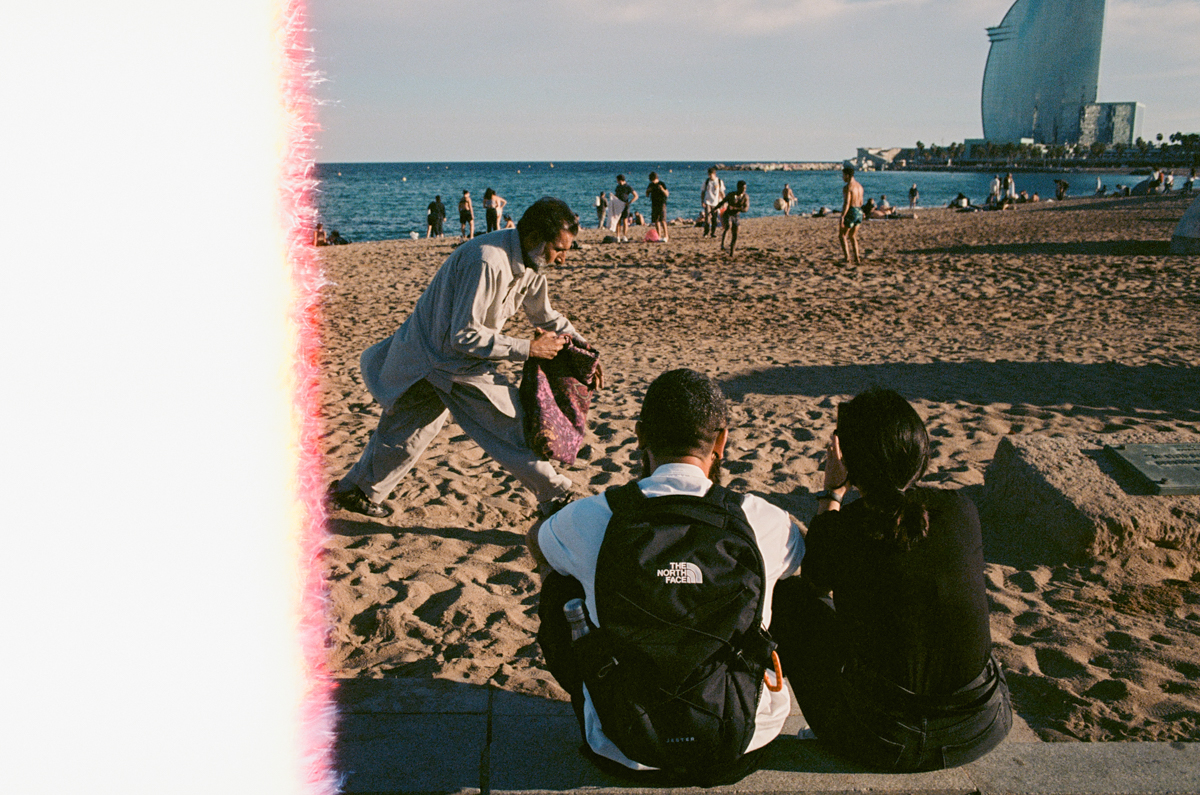
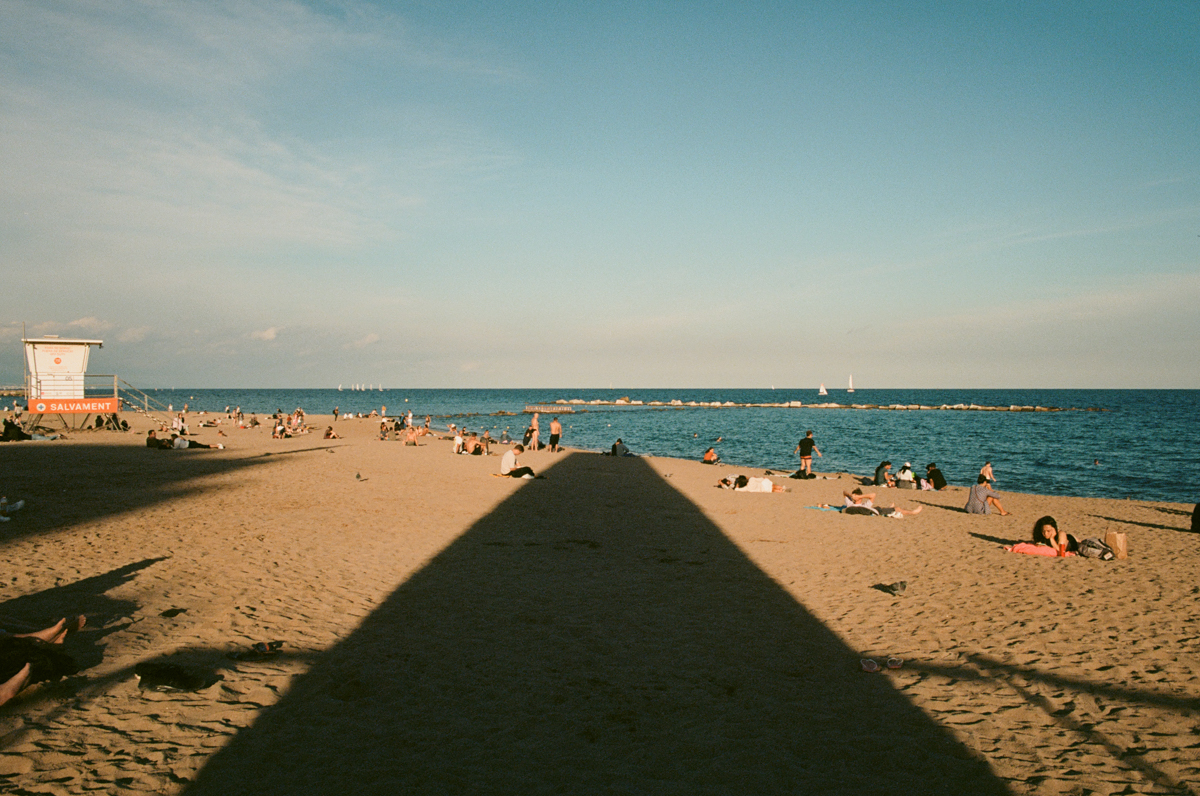
Brilliant evening light on Barceloneta Beach
The first part of this blog post comes to you from Barcelona’s Barceloneta Beach, which is where I spent most of my evenings during my time in the city.
I don’t know if it’s considered the best beach in Barcelona among those who have the relevant knowledge but, as the closest option to the harbour and the Ramblas and Gothic Quarter tourist areas, it’s probably the most popular.
I like it. Having any kind of beach so close to the streets I’d been walking around for hours in one of the world’s best cities was brilliant. Having somewhere to go as the sun set, to sit and listen to the waves and drink a couple of cans was the perfect way to finish each day.
On this occasion though, I pushed myself to keep shooting for just a little bit longer. I’d already gotten through two rolls that day – some Ektachrome E100 and that AgfaPhoto APX 100 – but this light was just too good to pass up.
I had to load the Ektar 100 and carry on.


Perhaps my favourite piece of photography advice I’ve ever heard is that the subject of any image is always the light. I’ve mentioned it countless times on this website before.
You could perhaps add the words ‘most important’ in there, I suppose. That the most important subject of any image is always the light.
Regardless, the idea is that any well-lit scene, even if it’s of people not doing anything special or even of inanimate objects – I’m sorry for calling you an inanimate object – will make a more visually-pleasing image than some great view or some interesting thing happening in poor light.
Of course, combining the two – the special vistas or moments and events with the great light – is where really good photography happens.
But if you only have the good light, you’re still pretty golden.
For me, it’s times like this evening on Barceloneta Beach where this is true. When your film comes alive and reminds you why you even still do this time-consuming and expensive endeavour at all.



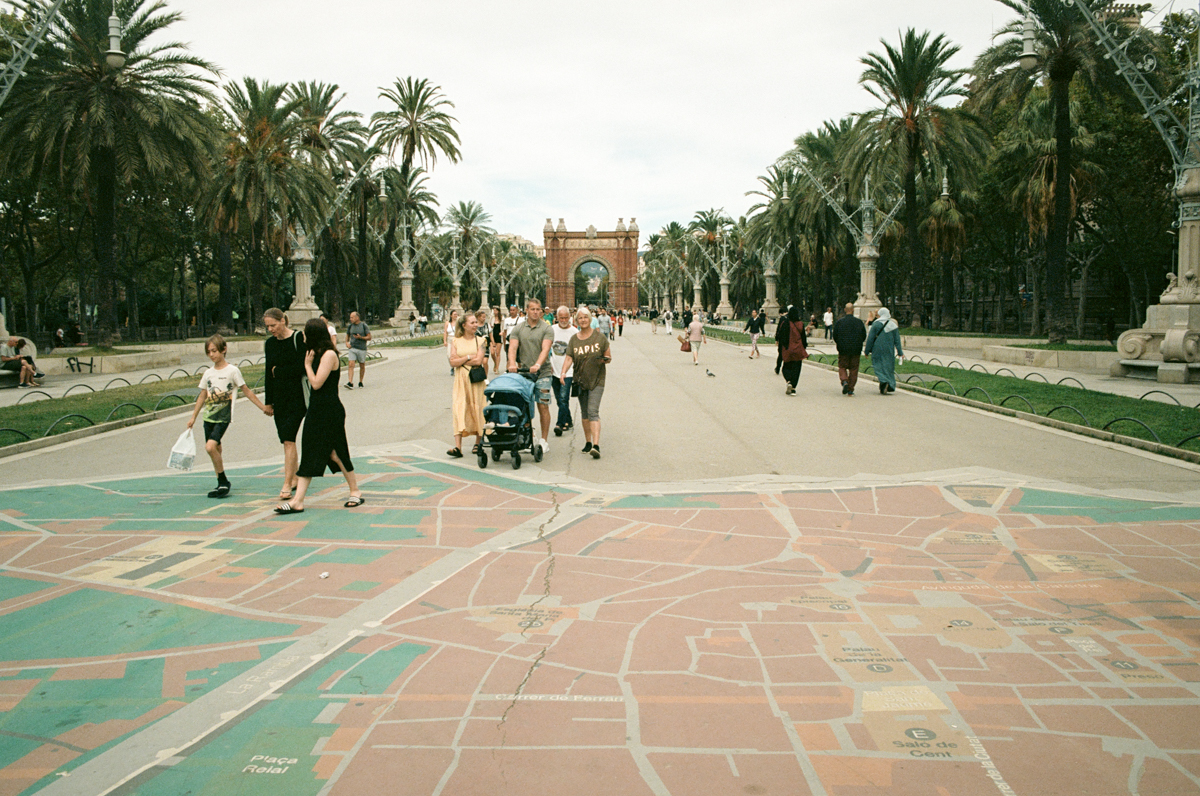
Flatter light in the streets of Barcelona
The next day, as far as the light is concerned, I wasn’t so blessed. I still had more than half the roll of Ektar 100 to get through, and knew where I wanted to do this, but the clouds were unfortunately out in force.
This meant much flatter results as I walked the streets than I got from the beach the previous evening, but it’s all good. It makes a good comparison here for how different light can affect your photography, if nothing else.
The first shot here is from the Passeig de Lluís Companys – a promenade that sits just north of the large Parc de la Ciutadella, or Citadel Park if you prefer.
You can see Barcelona’s Arc de Triomf in the background, which was built for the 1888 World Fair.
I strolled on, in the direction of what is probably Barcelona’s most iconic landmark – the ol’ Basílica de la Sagrada Família.
Before that however, because it was on the way, I thought I’d check out another monumental structure. The Plaza de Toros Monumental de Barcelona. Often simply called La Monumental.
But before I got to this bullring, I happened upon another building. It looked like a train station, but I didn’t know at the time what it was. I just thought it looked nice enough to use a frame of Ektar 100 on.
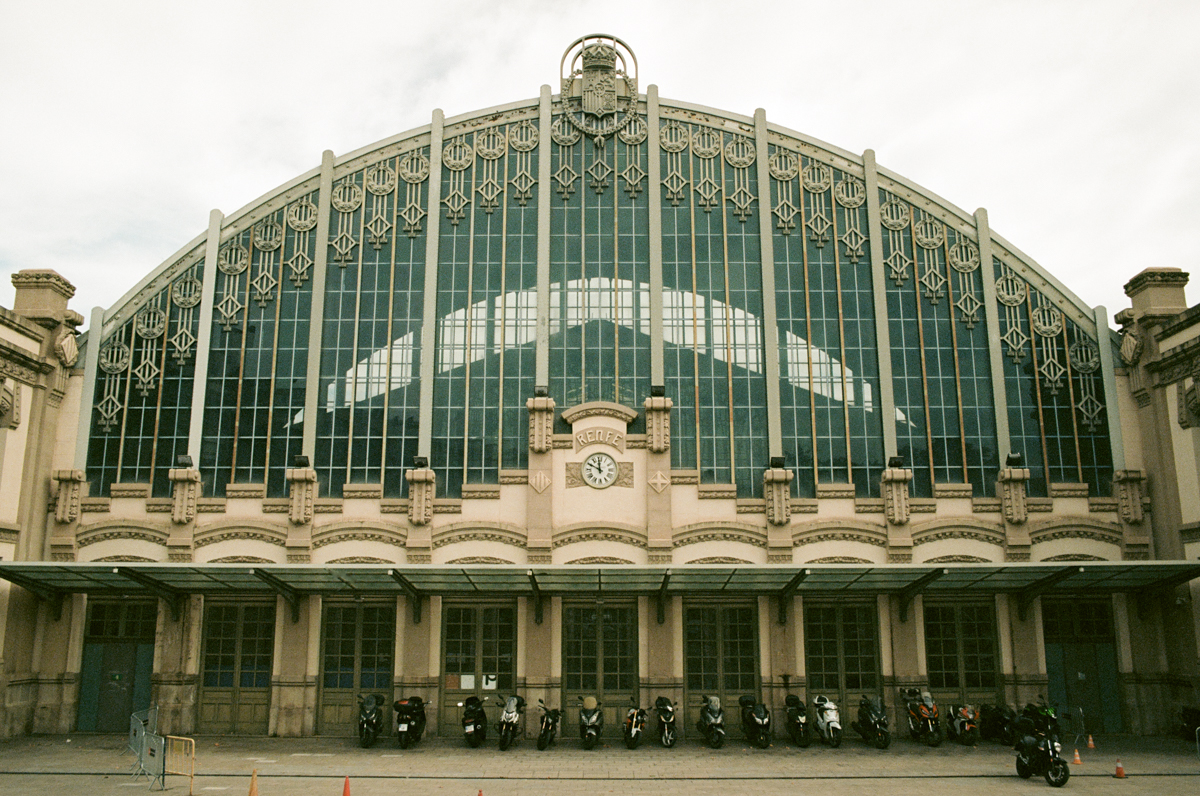
Turns out it was a train station. The Estació del Nord. And when I say was, I mean it isn’t anymore.
Behind that grand façade is now a sports centre, which is a really good use of a lovely old building, in my opinion.
Sport of another kind happened inside the next building too – the aforementioned La Monumental – although it hasn’t for quite a few years now.
The last bullfight at La Monumental was in 2011, with a ban on the practice in Catalonia coming in 2012. That ban has since been legally overturned, but the bullfights have not returned to Barcelona.
It is still used for other events like concerts though, and long has been. The Beatles and The Rolling Stones both played here back in the day.
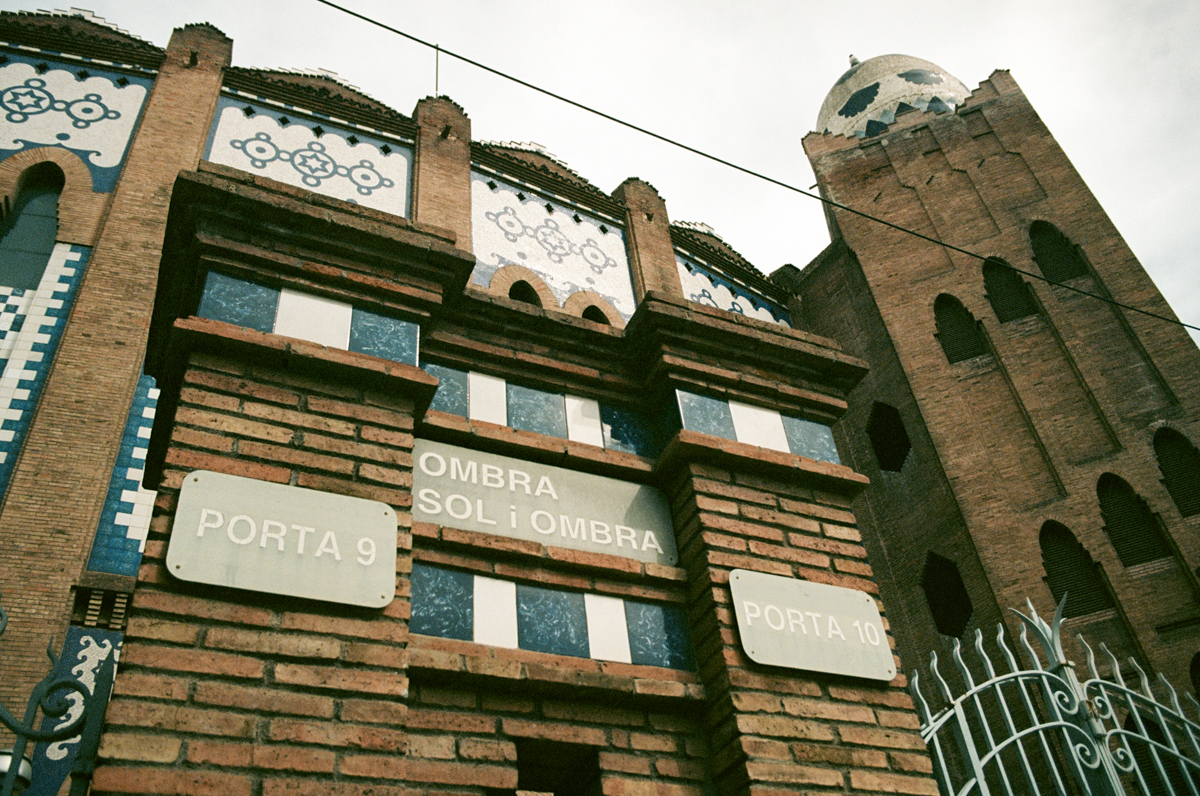
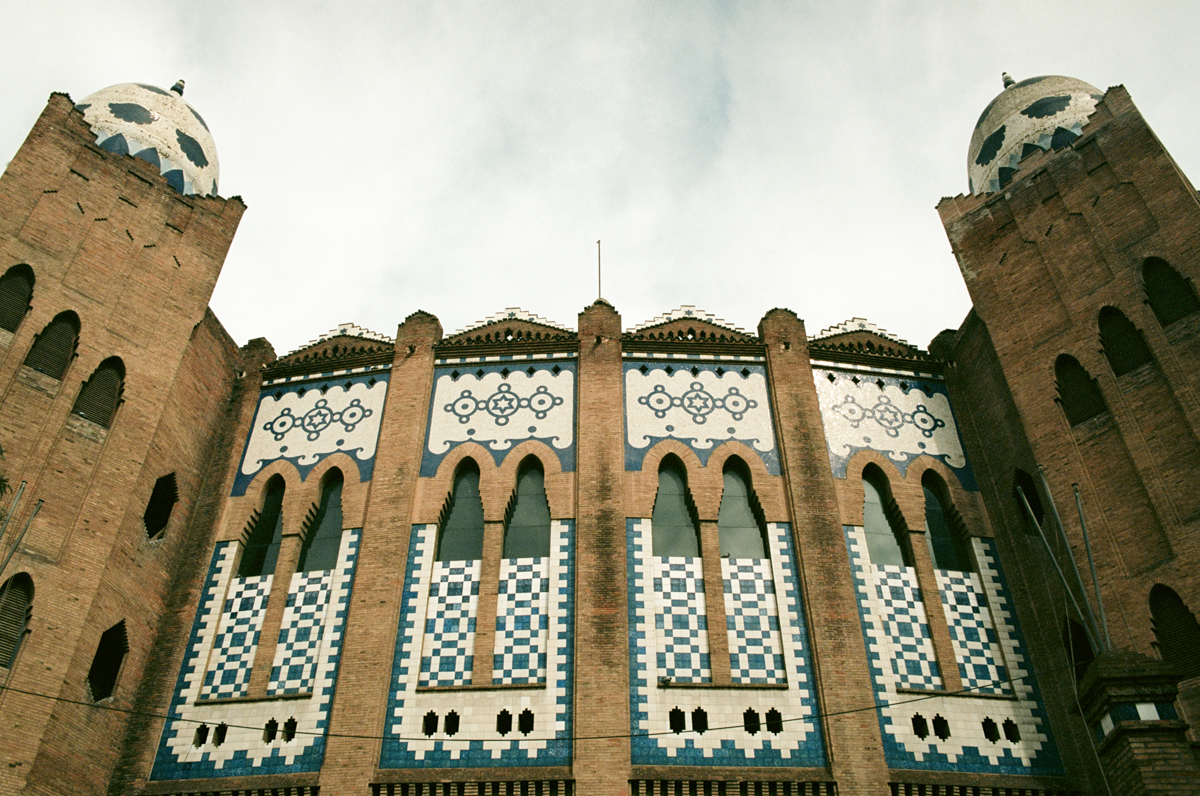
I didn’t get any photographs from inside La Monumental because I didn’t buy an entry ticket, and I didn’t get any from inside the next spot either.
Unlike the former bullring, I did try to pay to go in the Sagrada Família, but I was unable to book a ticket via the website. I’m not sure if it wasn’t working well or if it was all just sold out on the day I wanted to go in, but I don’t suppose it matters which.
The end result was the same. A few shots of the outside of this amazing building that I’m sure, trust me, will be finished one day.
In fact, as I write this now in 2026 – these photographs are from 2022, remember – they did recently top out the central tower with the 17-metre cross.
That central tower that was still a mere stump in these images here.

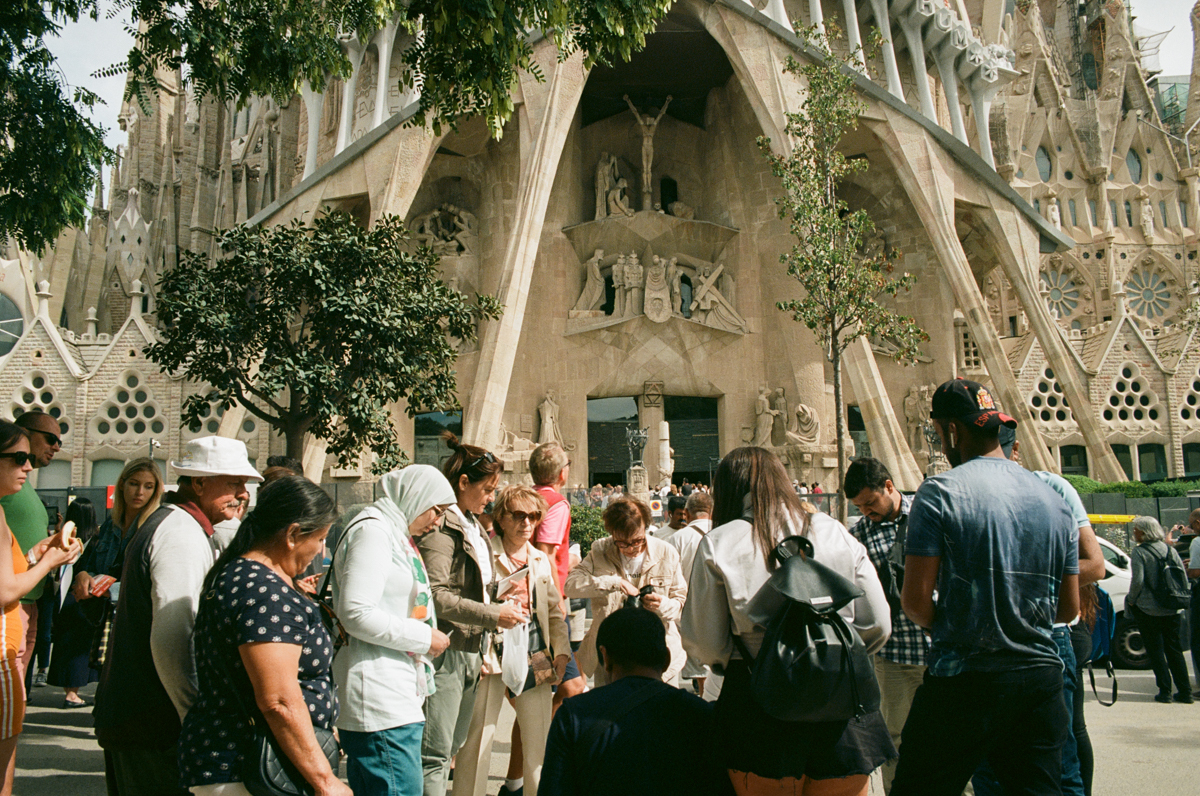
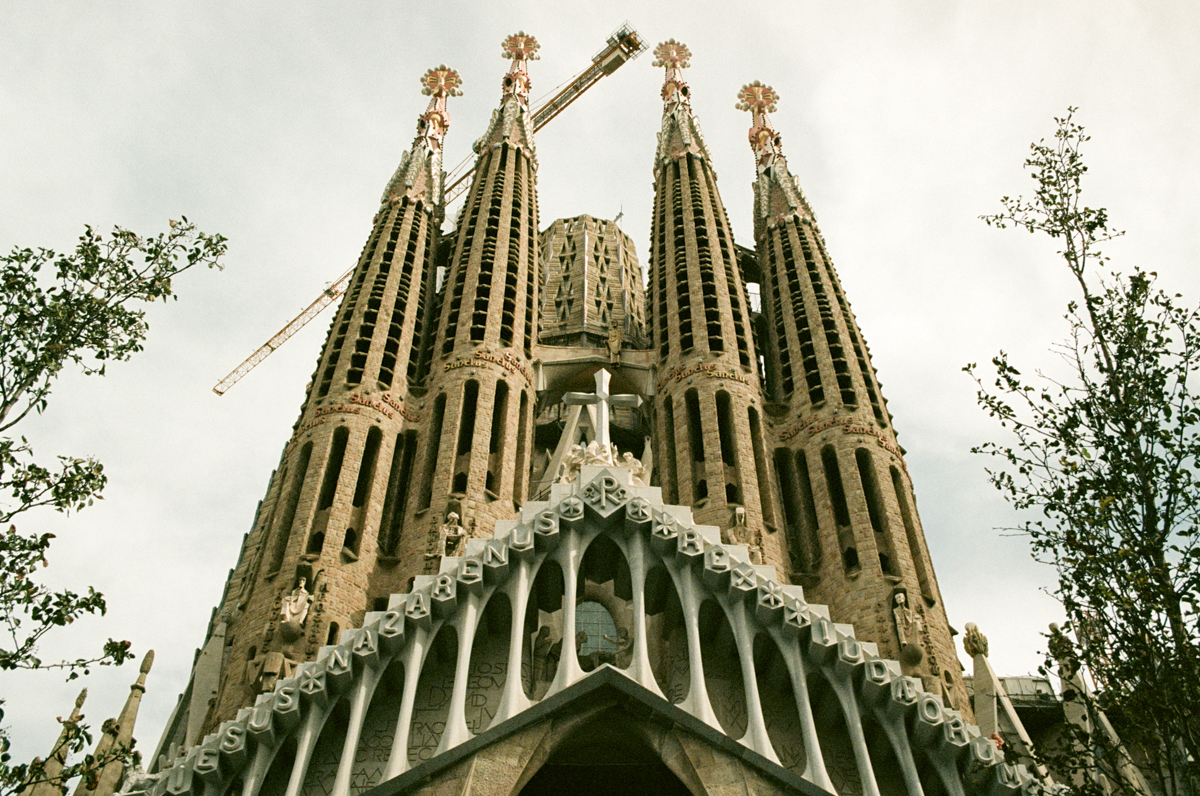
Moving on up to Tibidabo
After getting my fill of Sagrada Família photographs, it was time to move on and up to another fantastic house of God in Barcelona.
Sitting on the tippity top of the hill at Tibidabo and overlooking the city is the Temple Expiatori del Sagrat Cor. In English that would be the Expiatory Church of the Sacred Heart of Jesus.
Seriously, have a look at this place.

Pretty impressive isn’t it.
It should be, seeing as it took about 60 years to build. Although of course taking ages to knock up a religious building is not something Barcelona is a stranger to.
When this was completed in 1961 it was designated an official minor basilica by the Pope of the time.
That darker-coloured part at the bottom is the crypt, by the way, with the off-white church itself standing on top of that.
I did actually go in here, because it was free, but I don’t have any images of the interior to show you. I shot one but, with this film being the ISO 100 Kodak Ektar, it predictably came out almost entirely too dark to see anything.
Hopefully these next few shots of the outside make up for that.
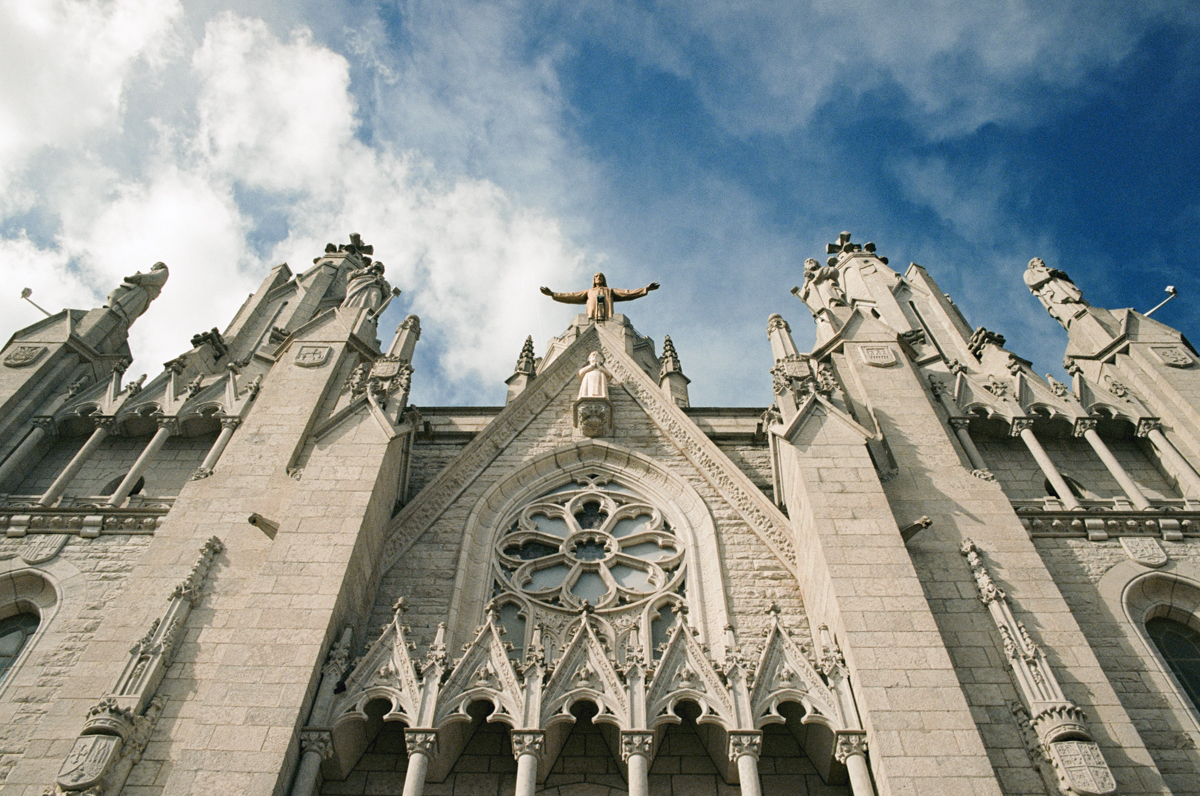
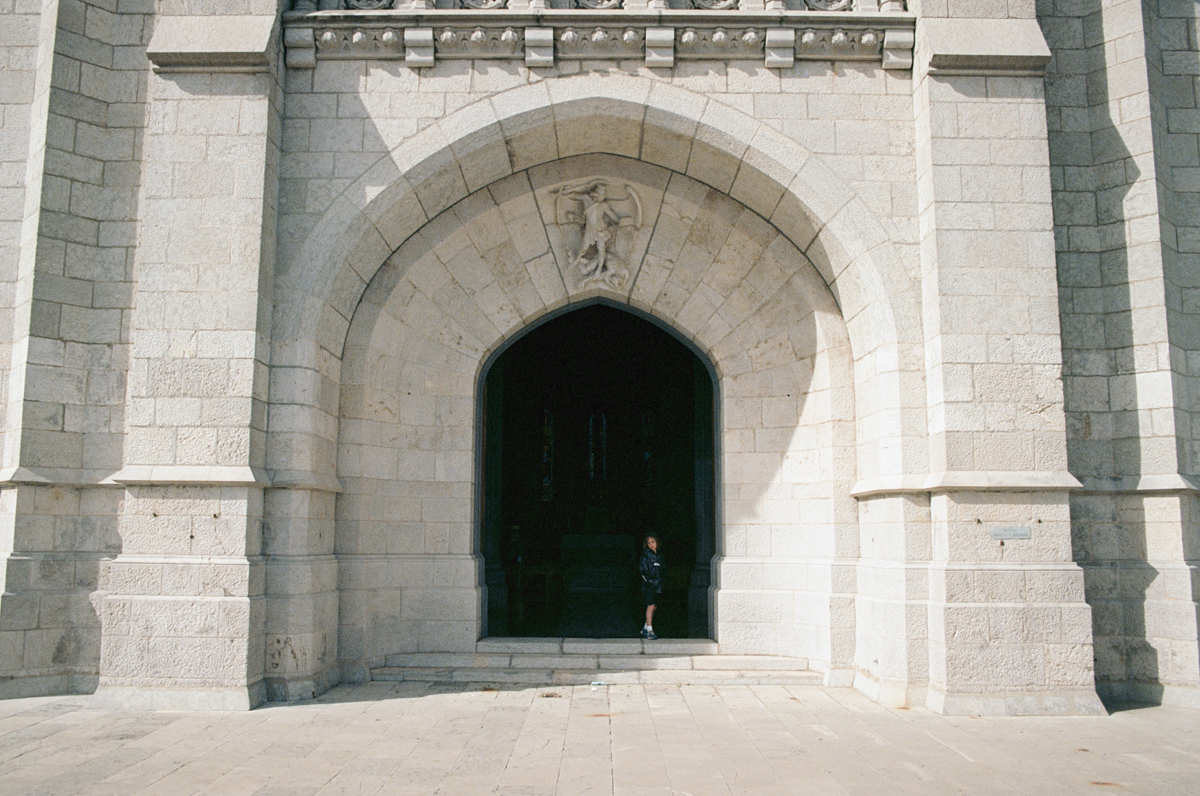
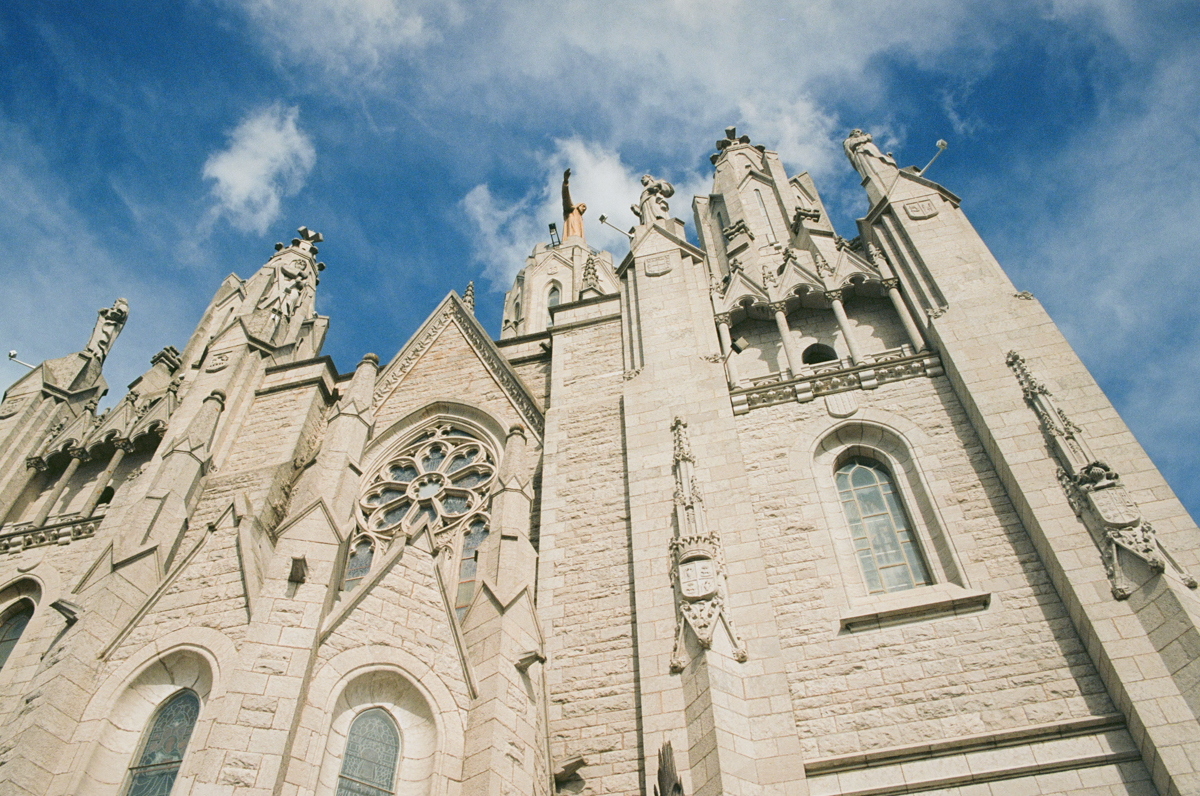
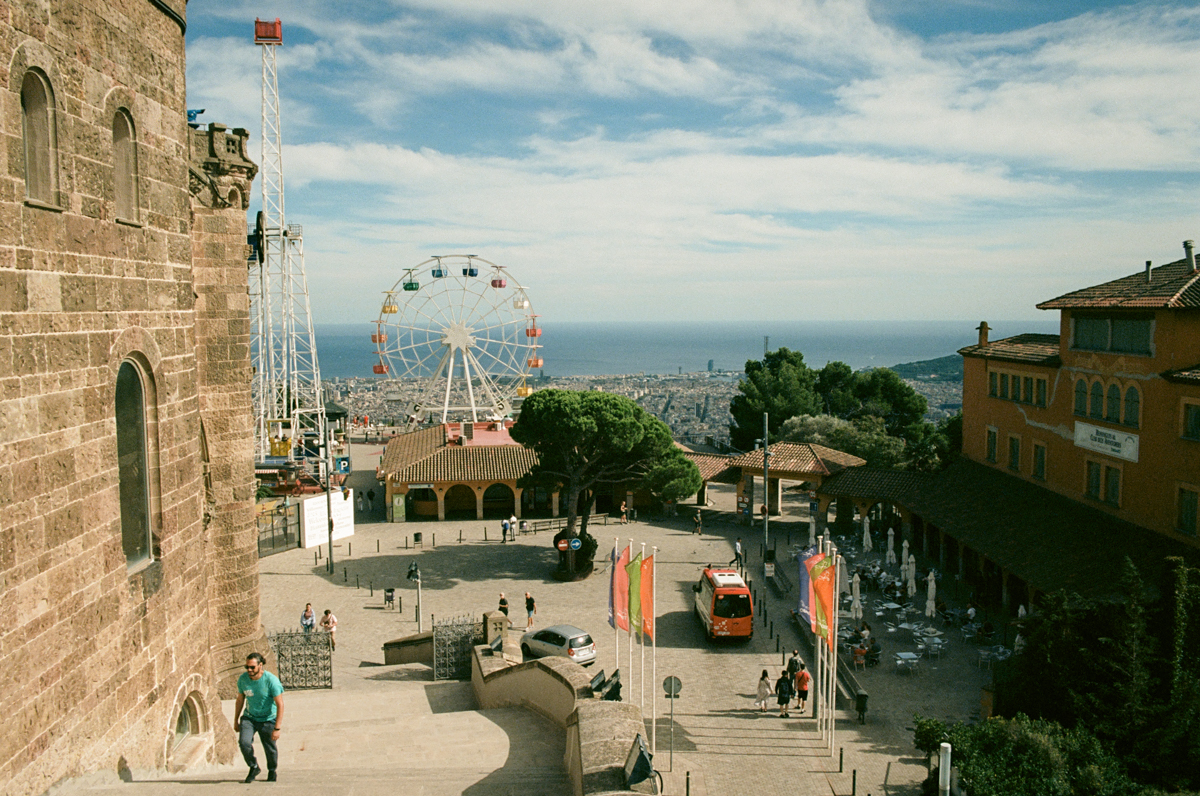
The Temple Expiatori del Sagrat Cor isn’t the only attraction up at Tibidabo, though. There’s also an amusement park, and it’s a lot more historic than I’d realised when I was there.
It’s only now I’m looking some stuff up to write this post that I find out this is the longest-running amusement park in Spain, that it dates back to around the same time as Sagrat Cor was being built, and that most of the original rides are still operating today.
I wish I’d known that when I was there, really. Although I do remember thinking this Avió red aeroplane ride did look like a relic from a bygone era.
Also there was a Ferris wheel.
And you know the rules when it comes to Ferris wheels and film photography.
It’s mandatory to get a shot of them.
Don’t hate the player; hate the game.
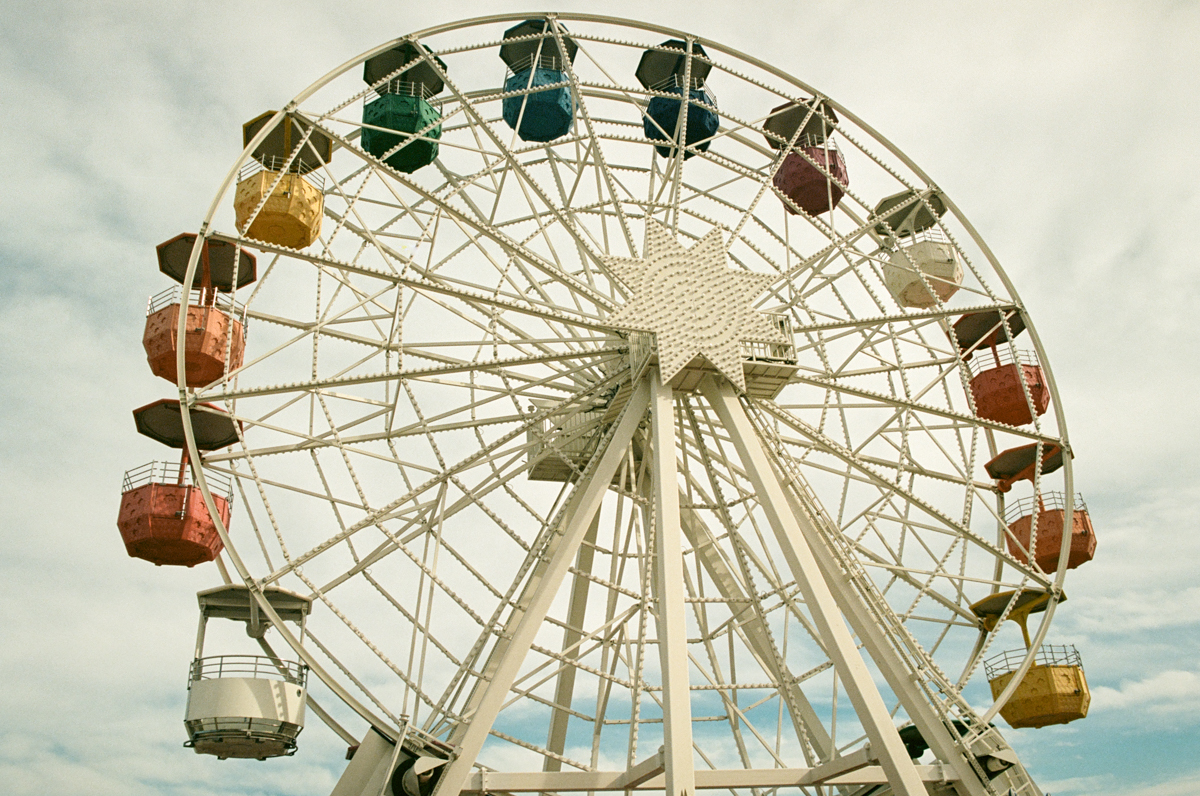
You can get out to the foot of Tibidabo on Line 7 of the Barcelona Metro and then either trek up to the top or take the funicular. To save time, I did the latter.
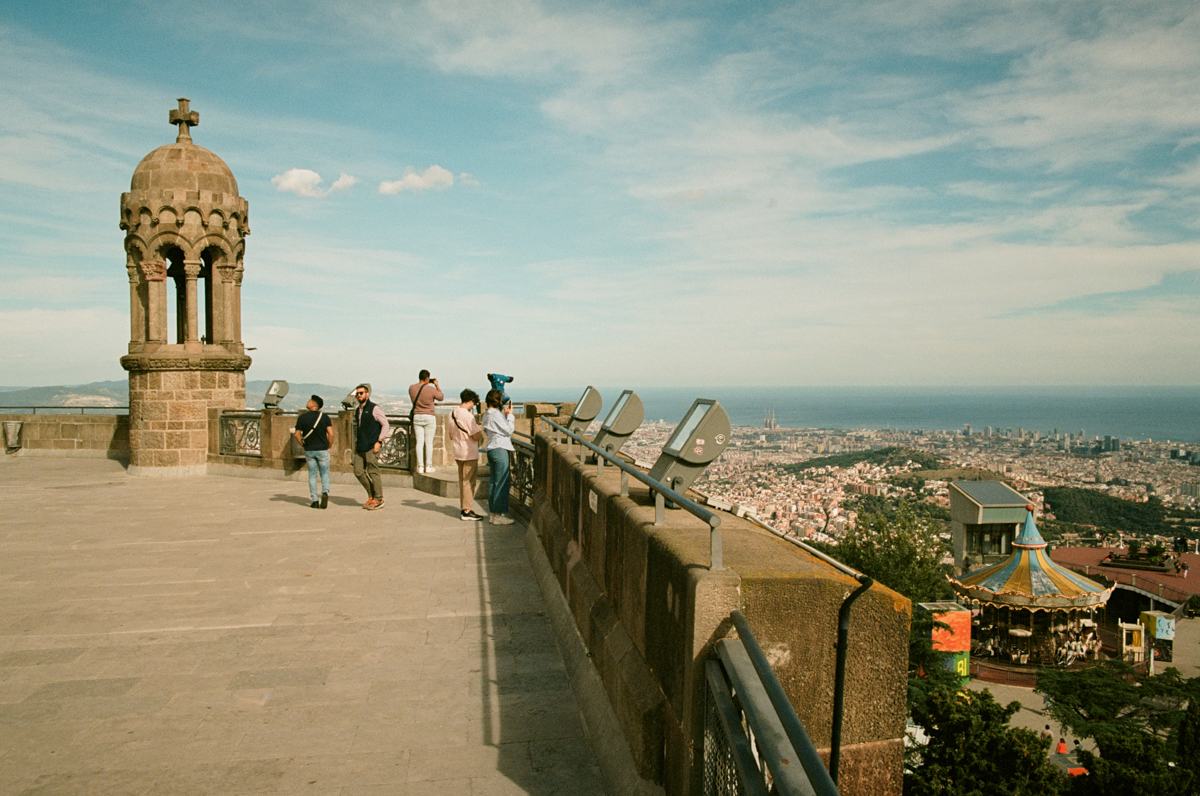
But whichever you prefer to do, Tibidabo is worth the trip not just to see what’s up there but also for the view of what’s down below.
We’re not done with photographs featuring that Ferris wheel quite yet, but it’s not something I want you to focus on in these next few.
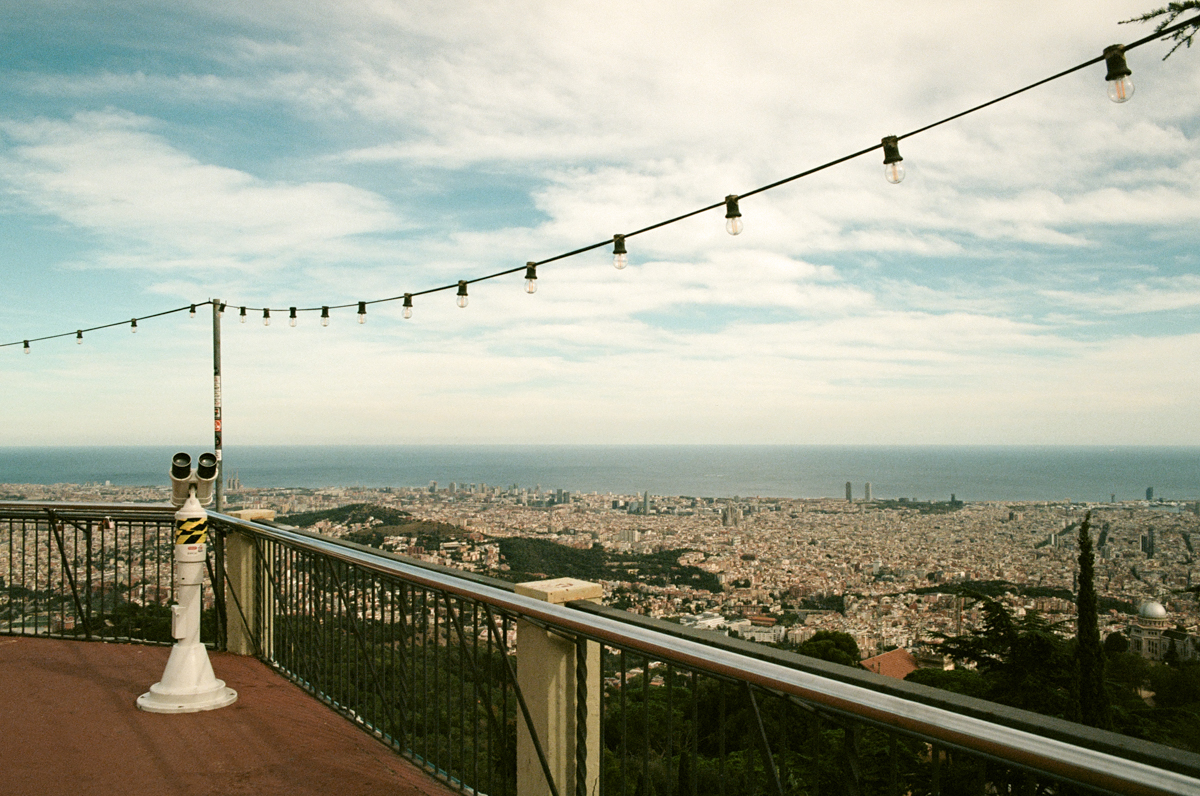
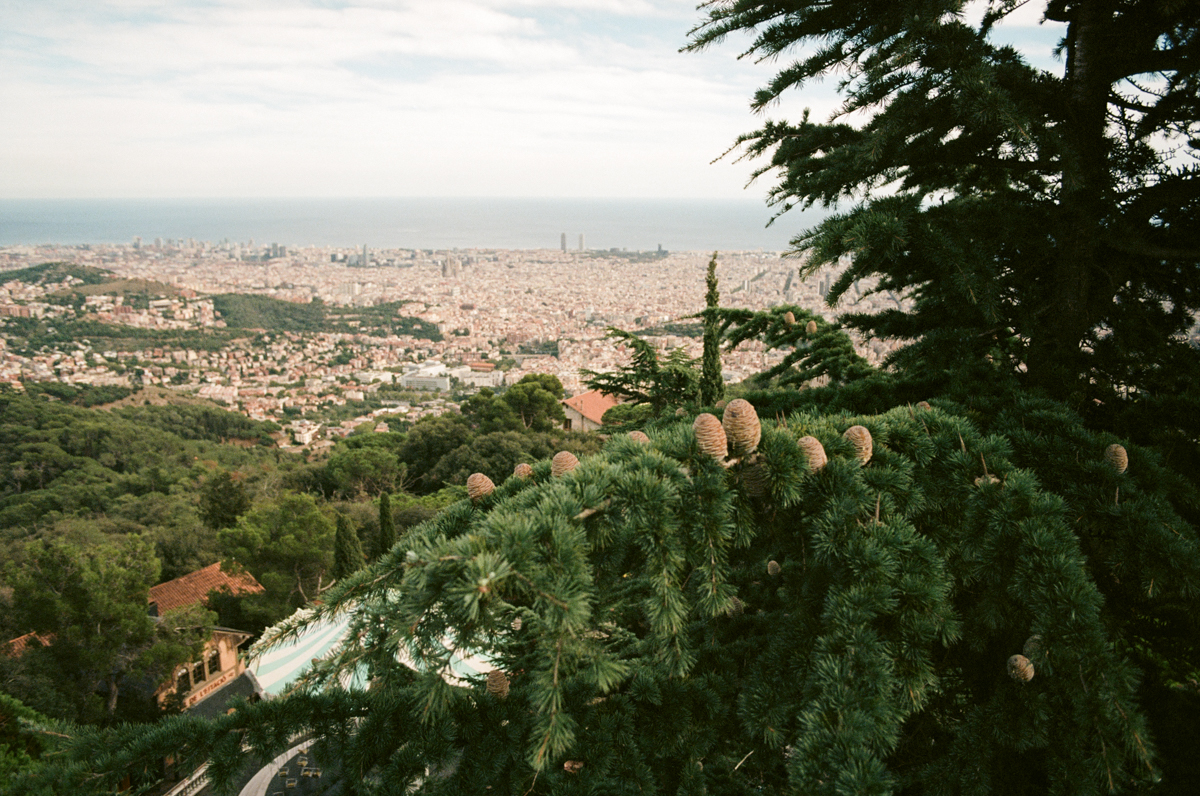
The thing to look at here is that awesome sprawling view out over Barcelona.
Look at it.
Across the city and beyond. Well out into sea. As far as the eye can see.
Sí.


Final thoughts on these sunny beach and basilica shots
Going up to Tibidabo gives one of my favourite views of the wonderful Barcelona. Such a beautiful horizon.
Now admittedly there are plenty of other places you can go and look out across the city, and quite a few of them are still on my list of places I haven’t been yet. Places like the Bunkers del Carmel, Park Güell, and the Torre de Collserola TV tower.
Where I have been and can speak about however, as you can see in this other post, is the Piscina Municipal de Montjuïc – where the iconic Olympic diving competition took place in 1992 – which I like just as much as Tibidabo for a place to go and gaze out over the Catalan capital.
Their respective distances from the city mean are pretty different in what they offer though.
Sitting in the poolside seats at Montjuïc, probably having got a drink from Salts Bar, you’re just lower down and closer to the view you’re looking out at. I felt I was still more part of the city whilst there.
At Tibidabo, that 512 metres high panorama means you can see more of Barcelona, but I did feel more like I was observing it from a distance – because I was – rather than still being in it.
It’s not all about the views from above though. There’s the views from being in amongst a place also. And going back to the sunny beach shots at the start of this post, that’s exactly what I was experiencing and capturing there.
I like both, but for different reasons.
For photography, being in the middle of a place – like I was a few years later when I shot some monochrome film around the same Barceloneta area – is what I prefer.
For later in the day when it’s time to rest and reflect, give me those elevated views. I don’t think I’ll ever get tired of seeing these ones of Barcelona in person. 🙂
If you liked those sunny beach and basilica shots on Kodak Ektar 100 and want more adventures illustrated with film photography, why not have a look at some of these:


And if you think others will find this post worth a read, help them find it by giving it a share 😀
