
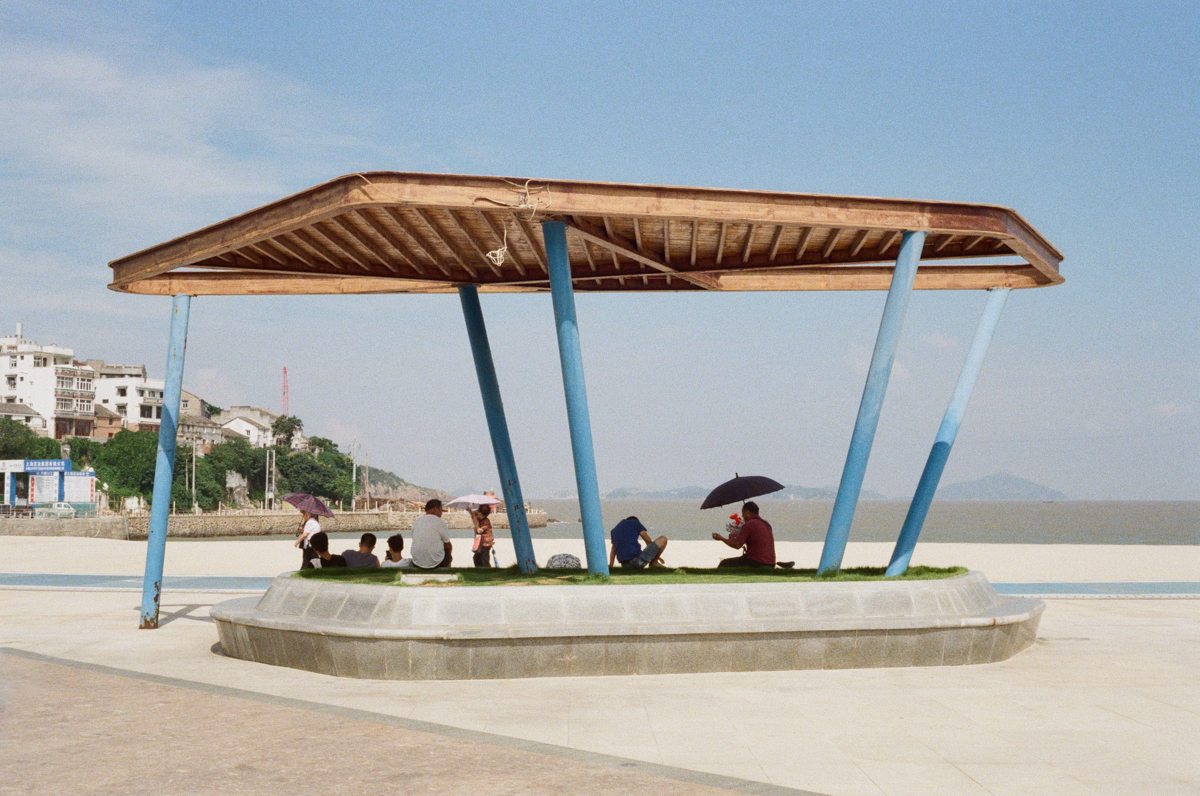
Images shot on Kodak Ultramax 400 in the Rollei 35
If you’re as disorganised, lackadaisical, and prone to procrastination as I am, you might sometimes have rolls of film that you know you’ve shot but it’s been that long that you can’t actually remember how you shot them.
What subject? Where? And what camera did you even use? Not knowing the answer to that last question can in some rare cases – like in this case – lead to paying again for the re-scanning of your negatives.
That’s what caught me out with this roll. I knew I’d shot some Ultramax 400 and some ColorPlus 200 in the Rollei 35 and the Sprocket Rocket on a trip back to China, but once I’d got home and it was time to send them off to the lab, I’d forgotten which film had been in which camera. I’d also somehow misplaced the ColorPlus, which didn’t help.
I suspected this Ultramax was from the Sprocket Rocket. I was wrong. This was initially bad, but ultimately good.
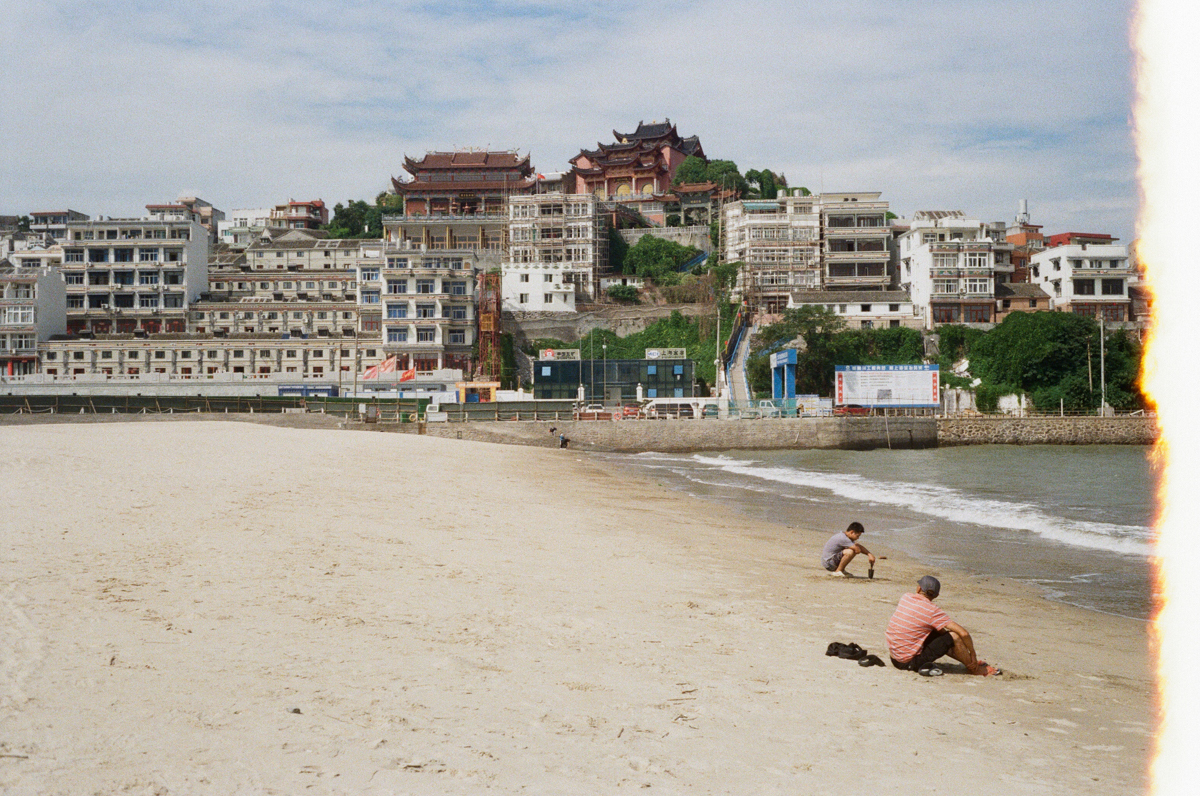
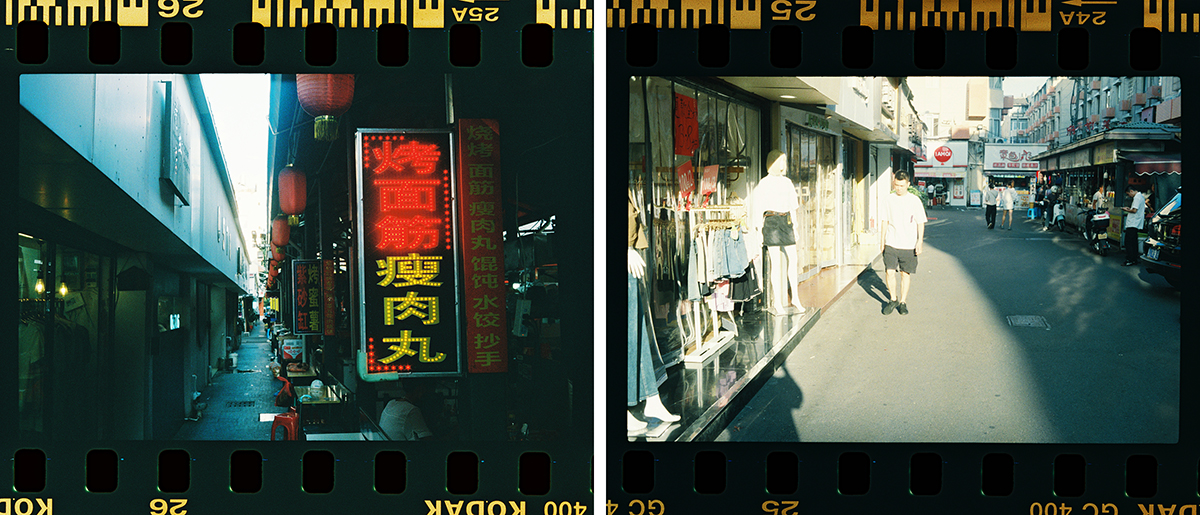
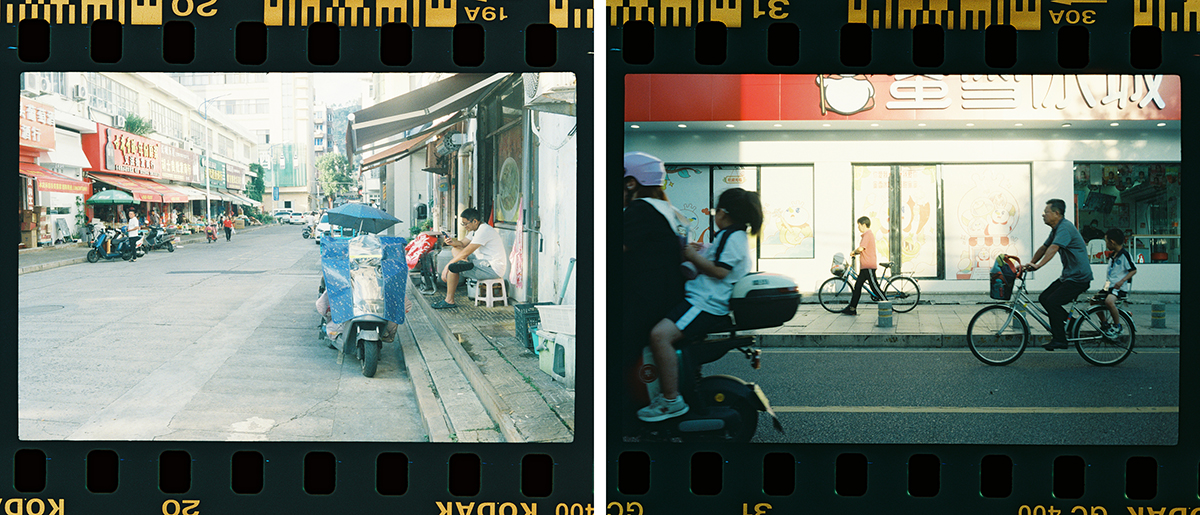
The kind of unusable scans I’d originally got back
I’m not going to be mentioning any names of labs in this post, but one that I used to use needed you to specify and pay extra if you wanted sprocket holes or film borders included on your scans.
Believing, as mentioned, that this roll of Ultramax 400 had been shot in the Sprocket Rocket instead of the Rollei 35, that’s what I did.
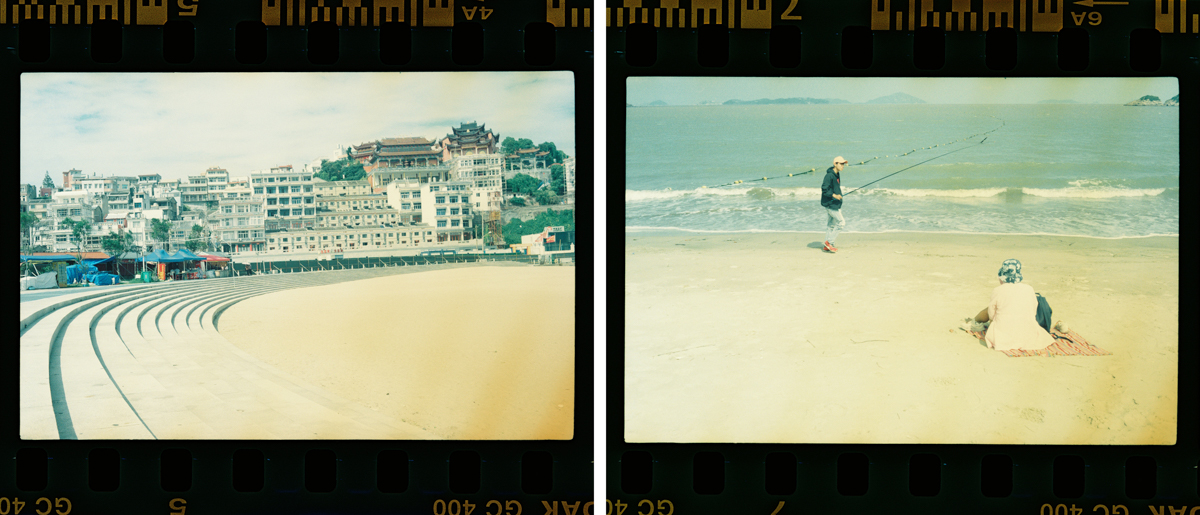
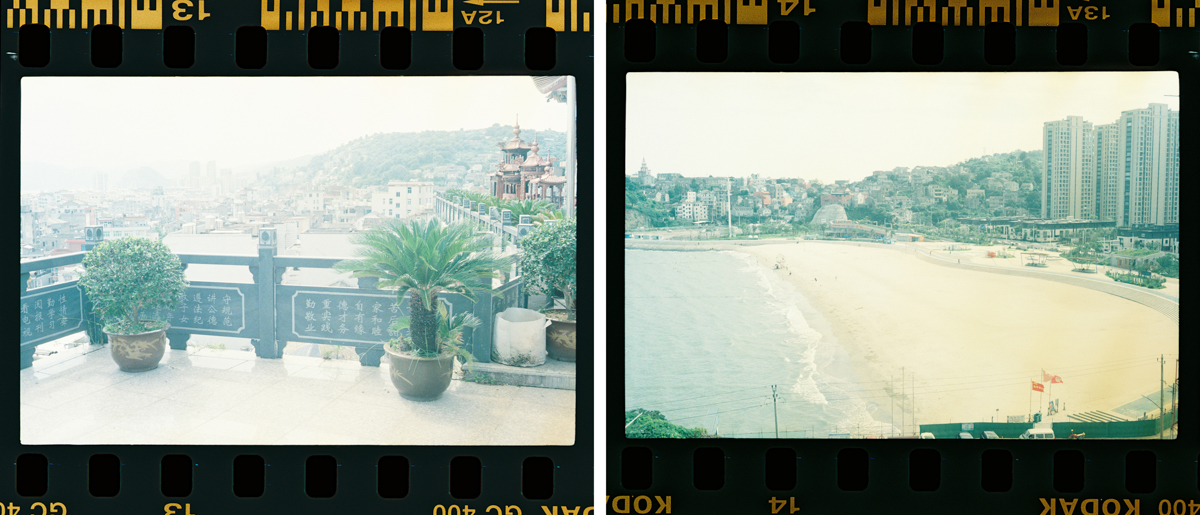
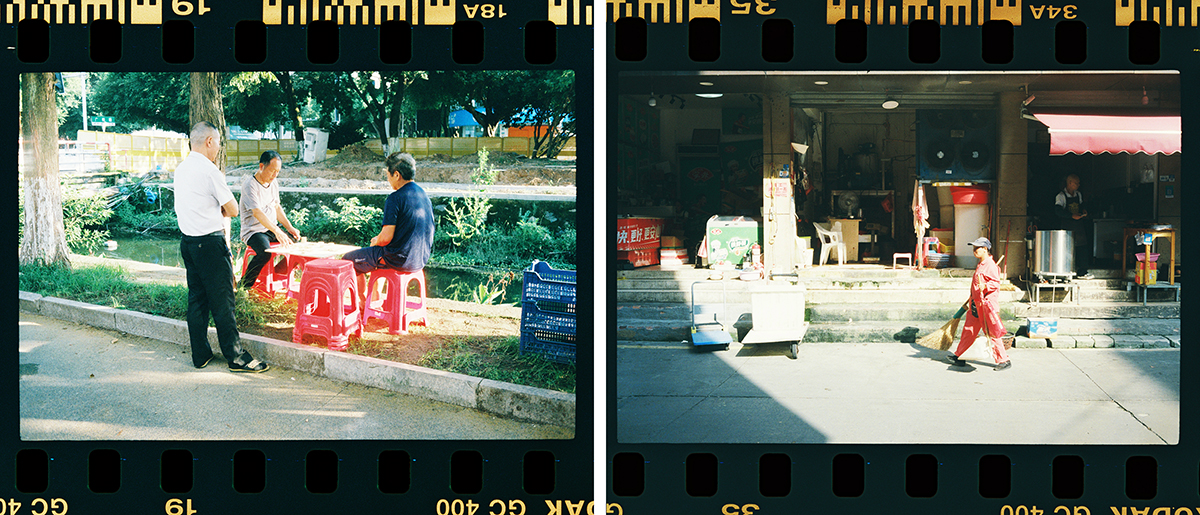
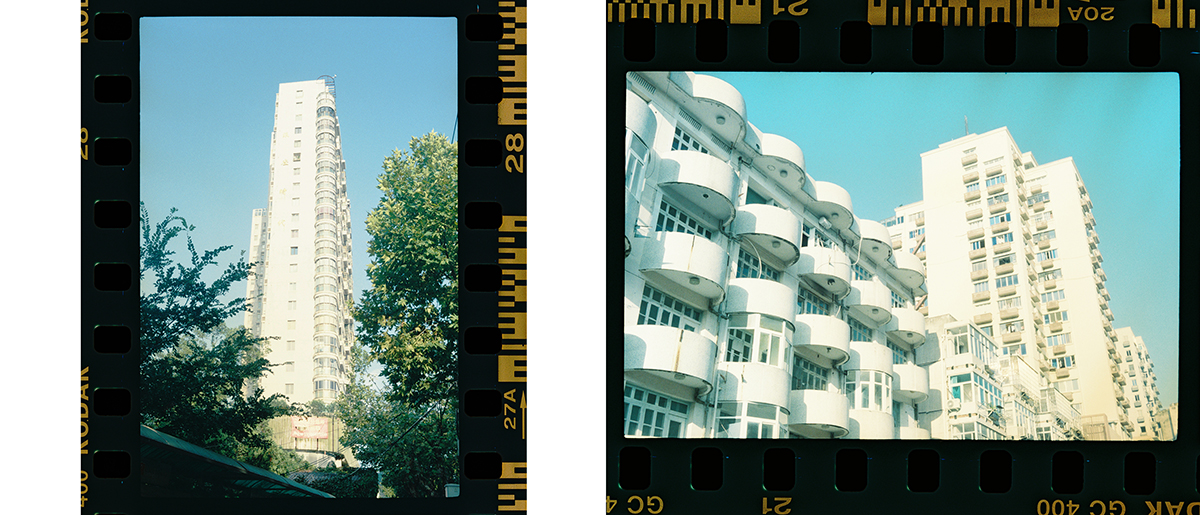
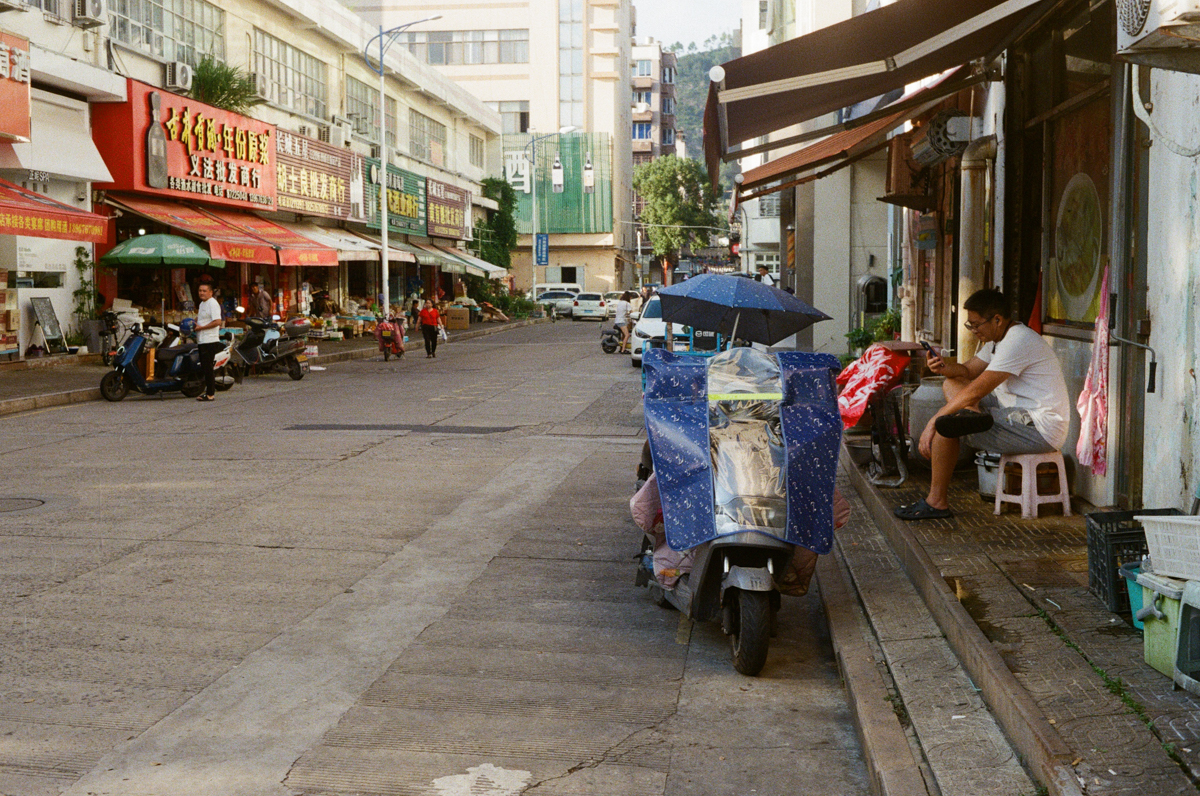
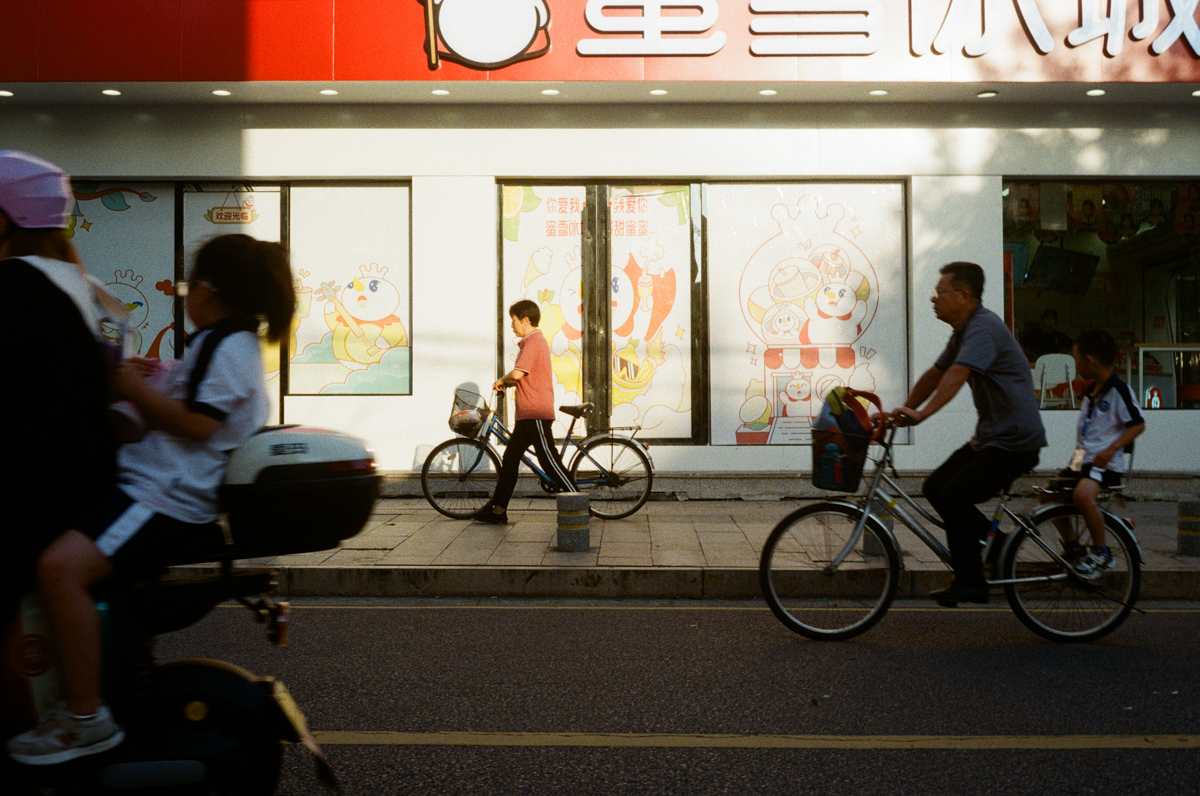
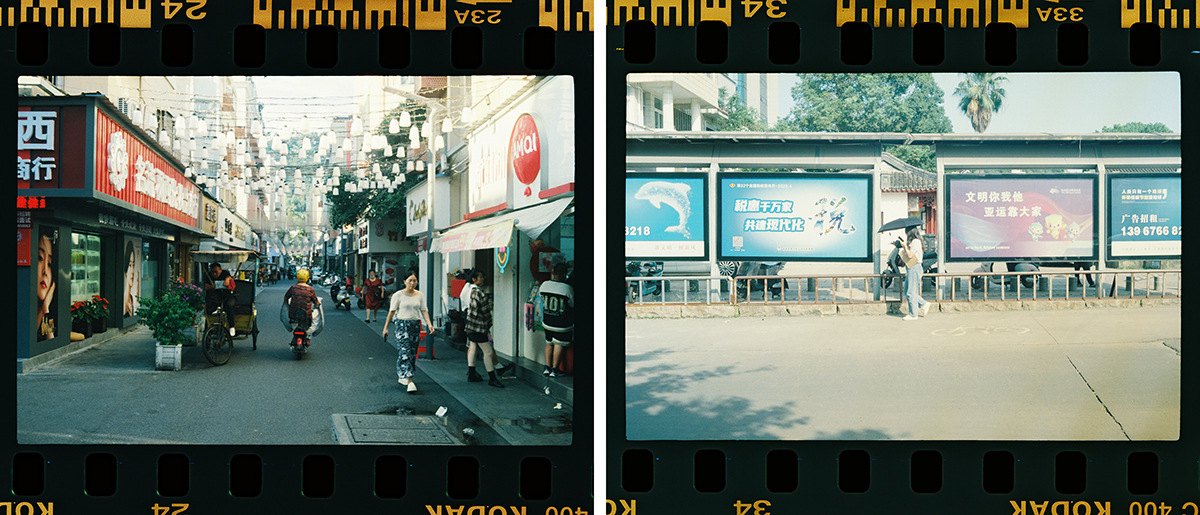
Of course it was only when I got them back that I realised I’d messed up. Those two images you’ve seen already?
Check this.
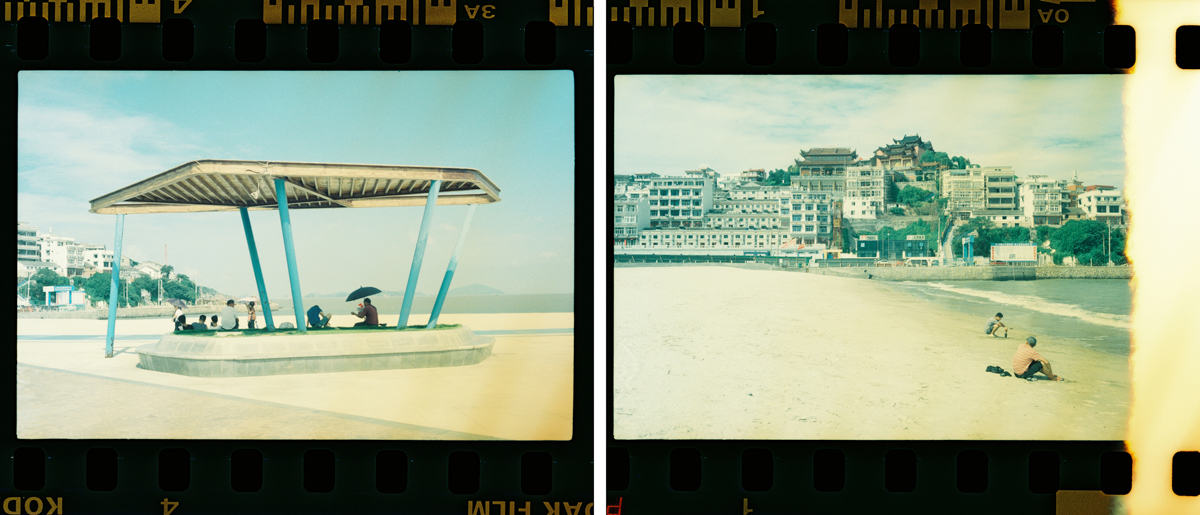
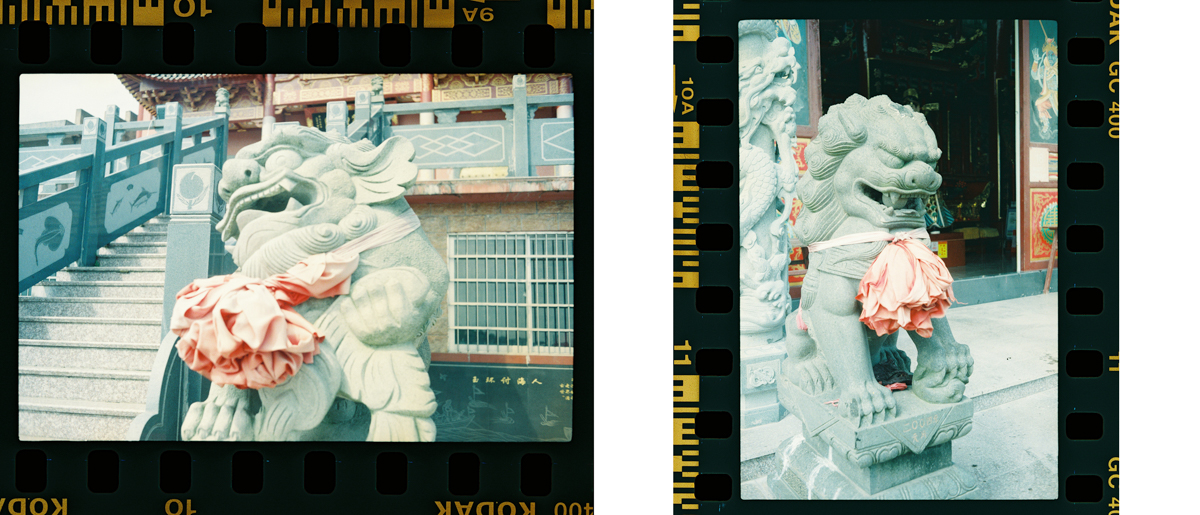
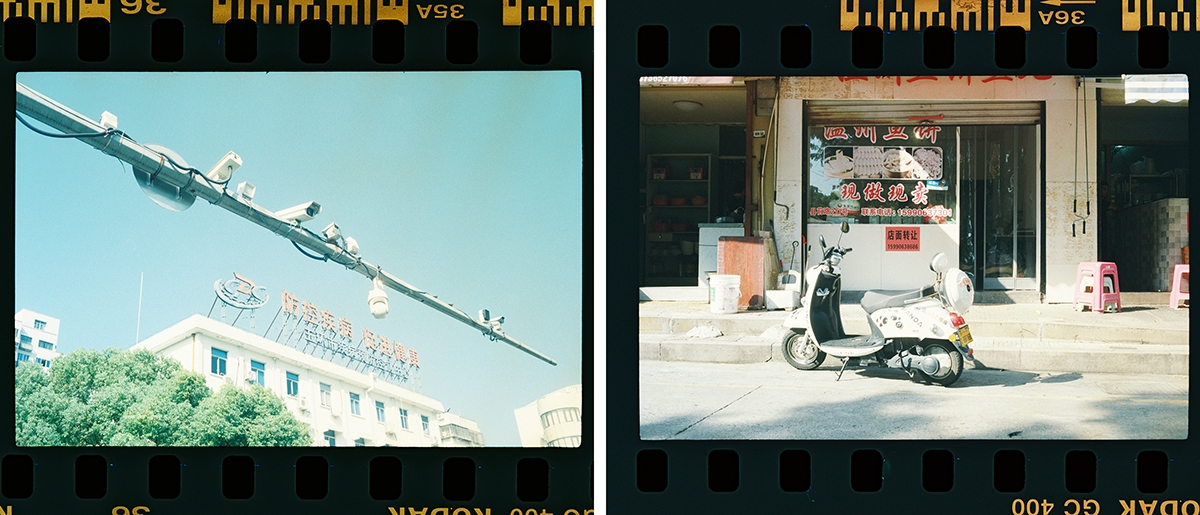
That’s what I got back from the lab. All the shots from the roll, scanned like that. Separately I mean; I’ve just put them together to save space here. But with the film borders and dodgy images therein.
Before we go on, I’m going to say this completely on me. It was me that stated I wanted this roll scanned with sprocket holes (or the film borders scans, however it was worded on the website).
Of course I don’t blame the lab for doing what I asked them to.
The good thing about having your negatives returned to you from all the rolls you send off though is that you can easily get them re-scanned. So that’s what I did.
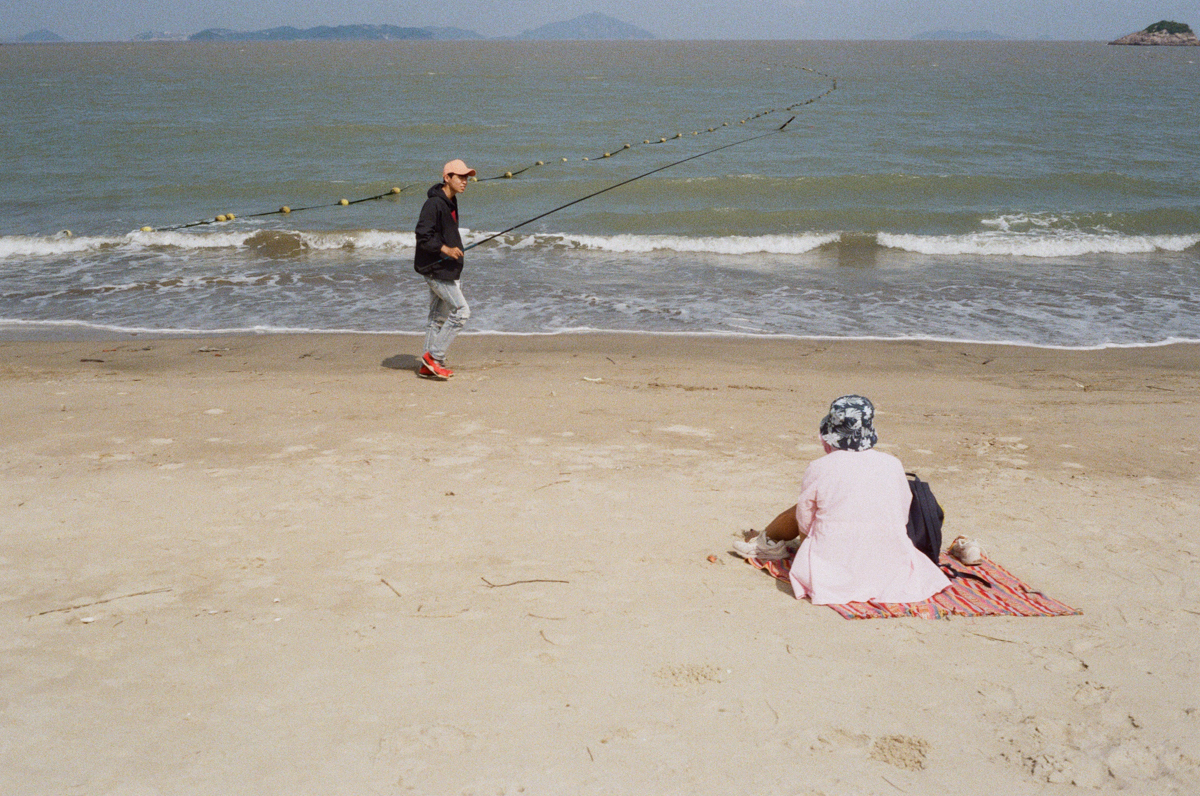
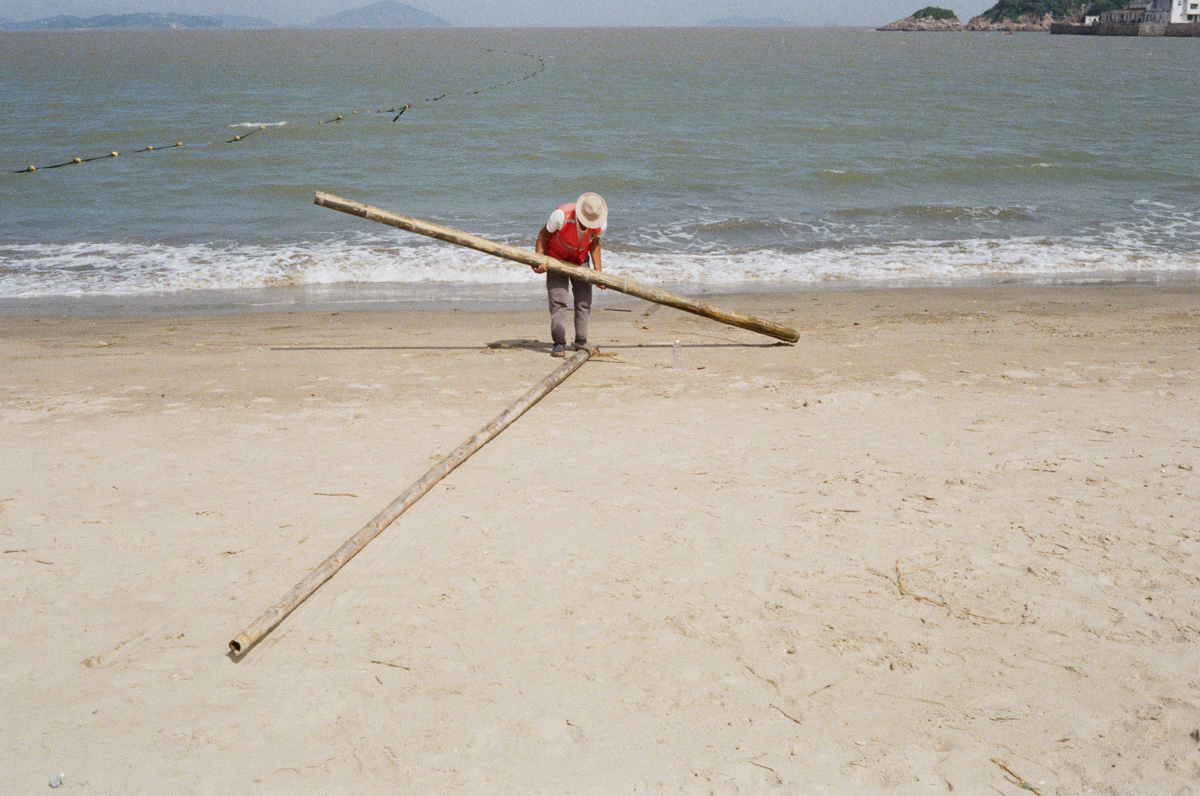
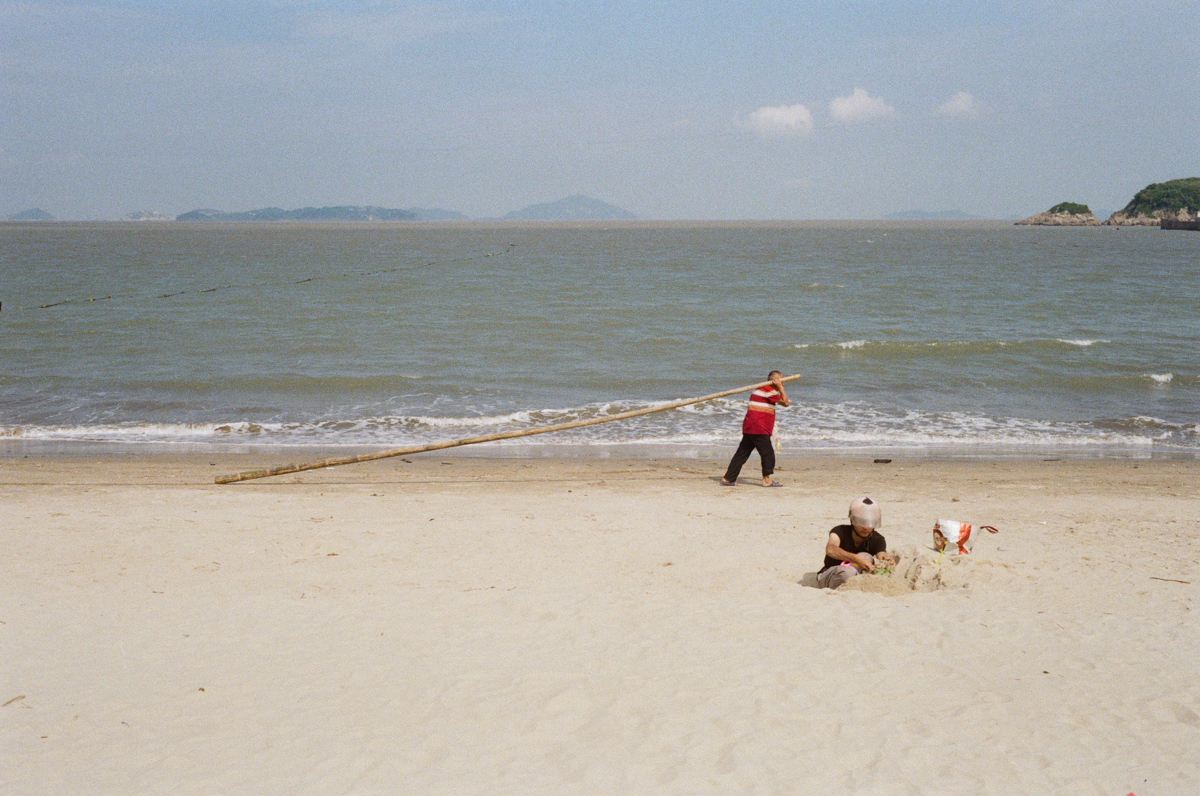
And the normal images you see on this post are from that re-scanning.
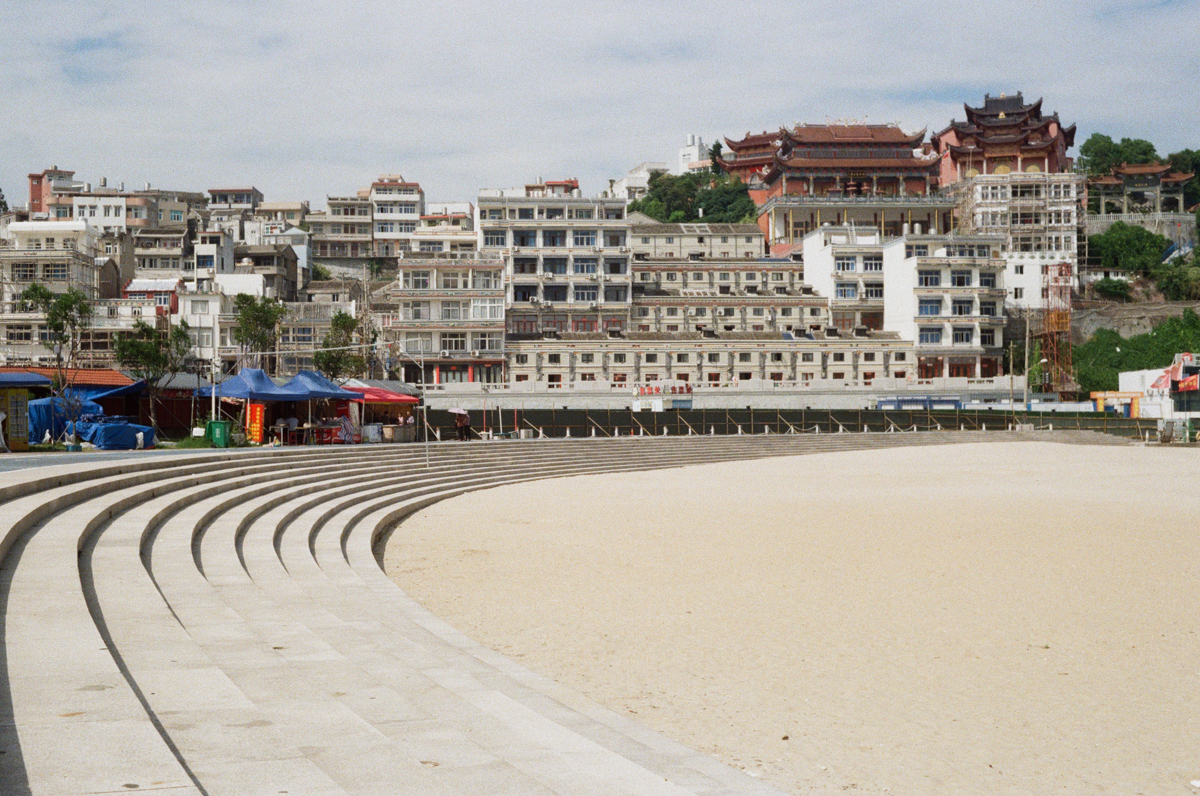
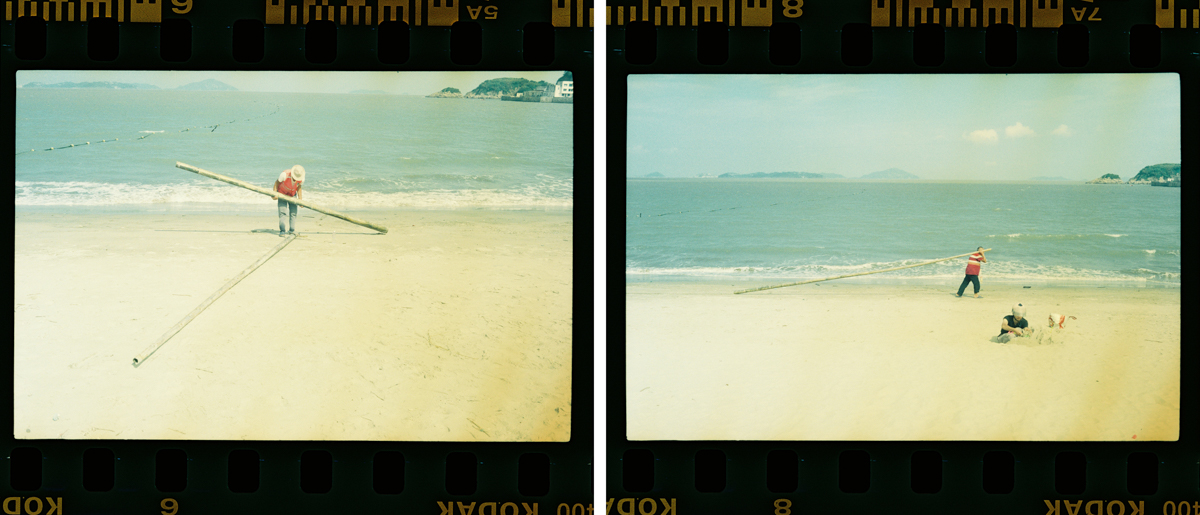
On the subheading for this section, I called those original scans with the film borders kind of unusable.
They were certainly unusable in terms of somehow being able to extract the image from them to use without the border. But clearly they haven’t turned out to be completely unusable. Because I’m using them in this post.
Looking at the bigger picture, it’s good to have things like this happen sometimes. Because I can now come up with a different kind of blog post here than I usually do on this site when all I have is the regular kind of scans.
For the rest of this one, as I’ve been doing already, I’ll be posting those border scans – unedited but in pairs – along with the normal ones as we go.
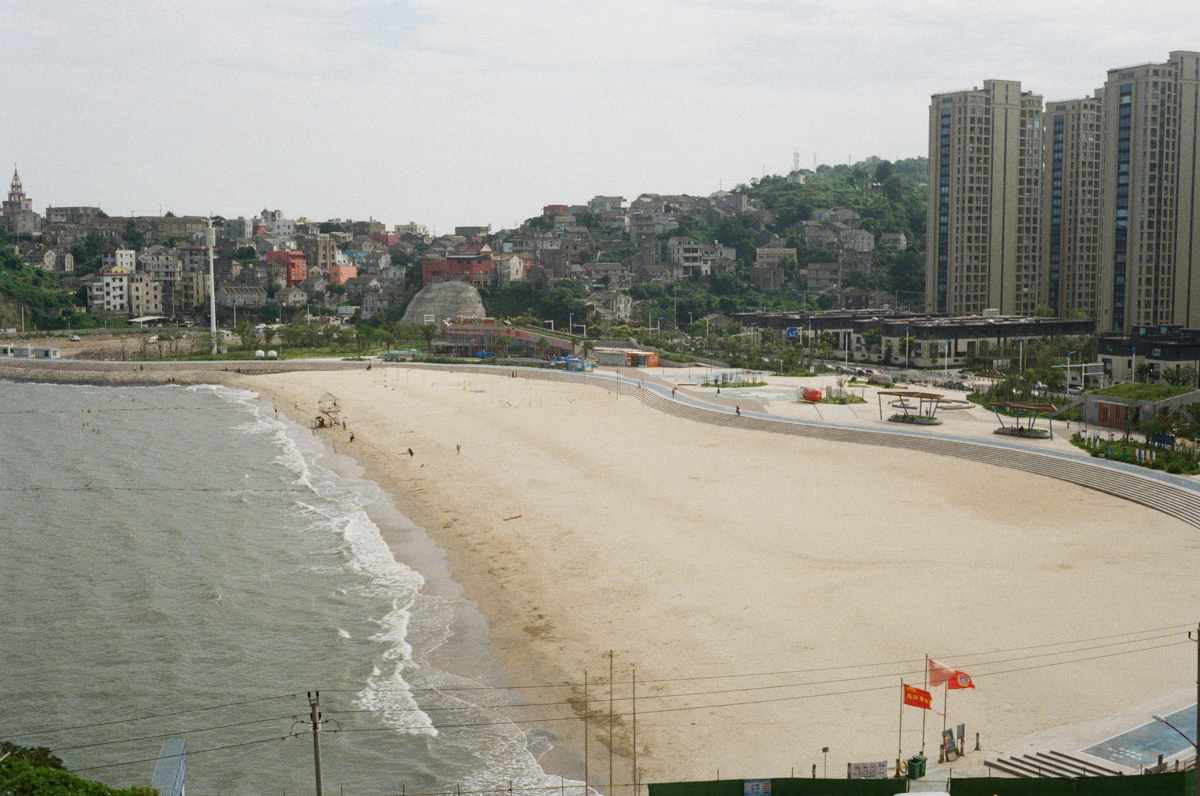
And if you noticed the temple on the hill in one of those earlier shots, it’s up there that we finish this mini set from the beach.
A couple of them with some missed focus, but technical perfection isn’t really the point of this post now is it?
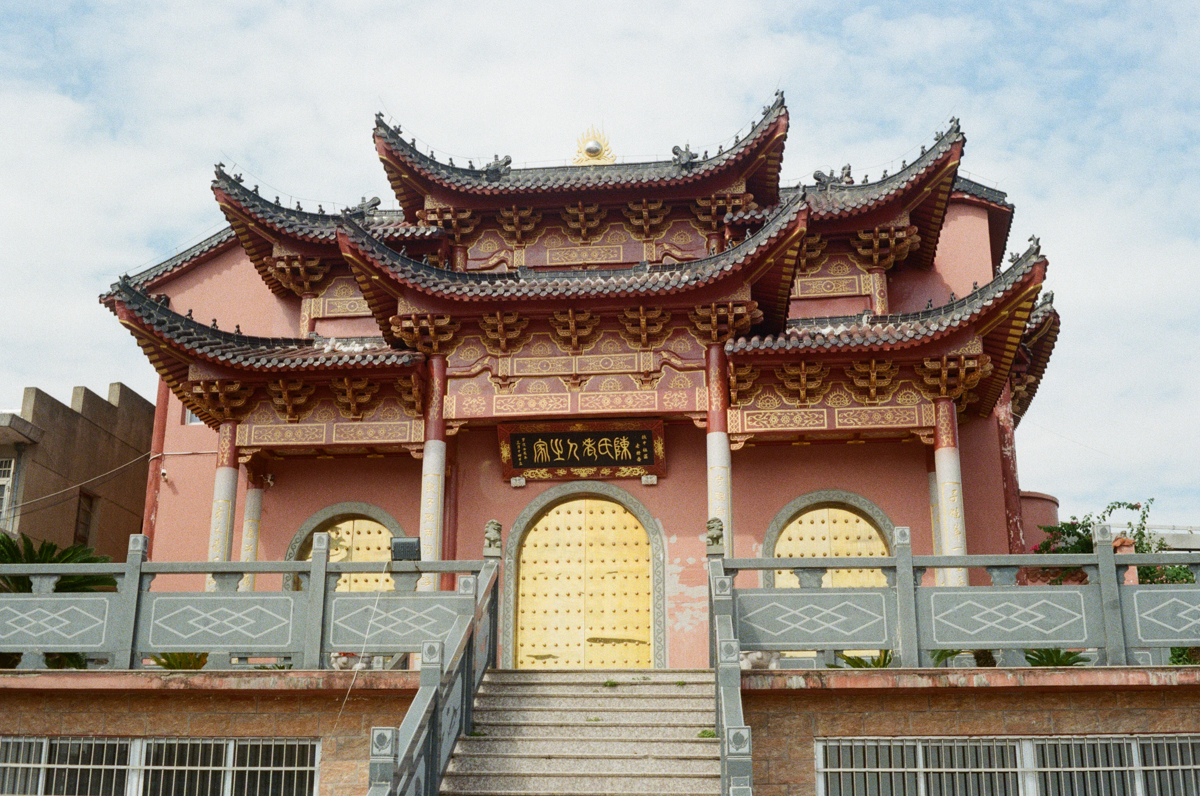
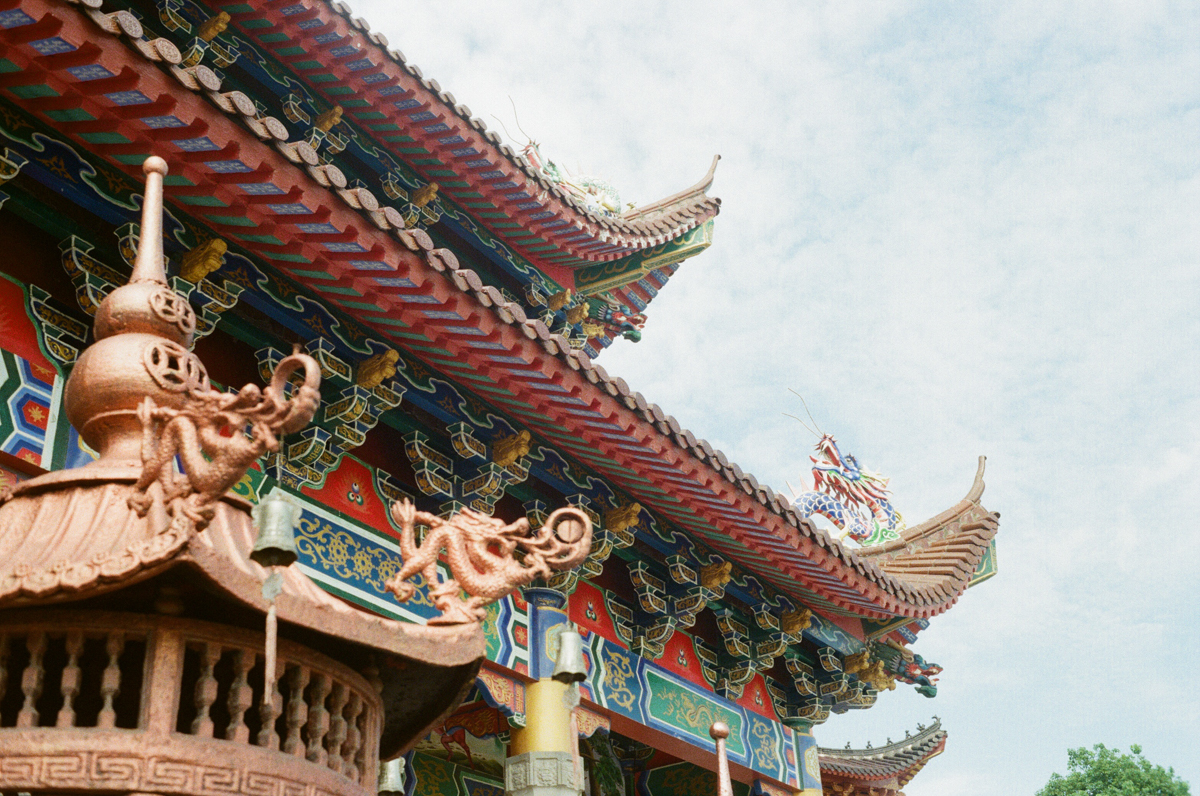
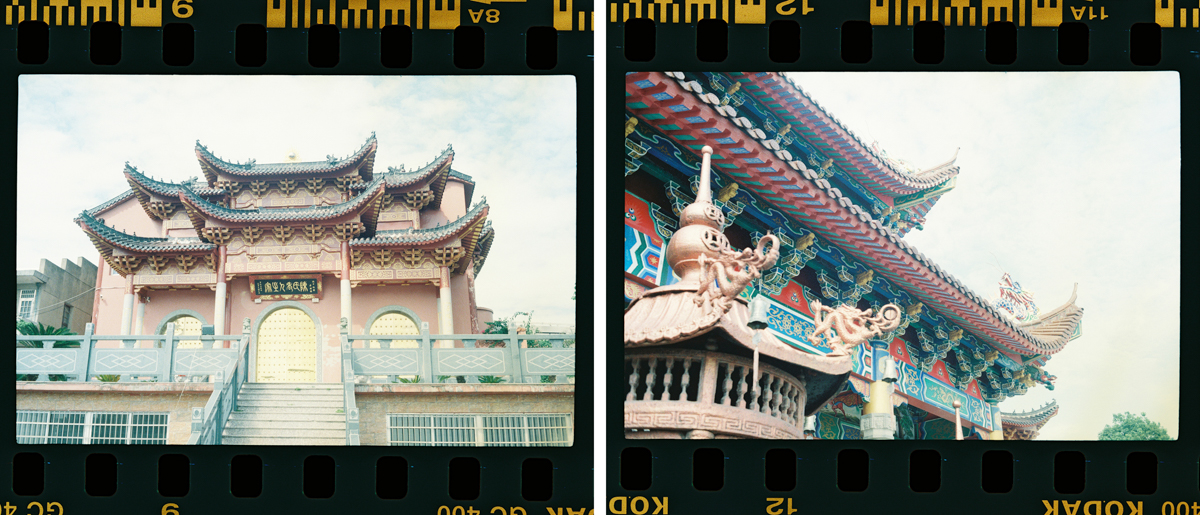
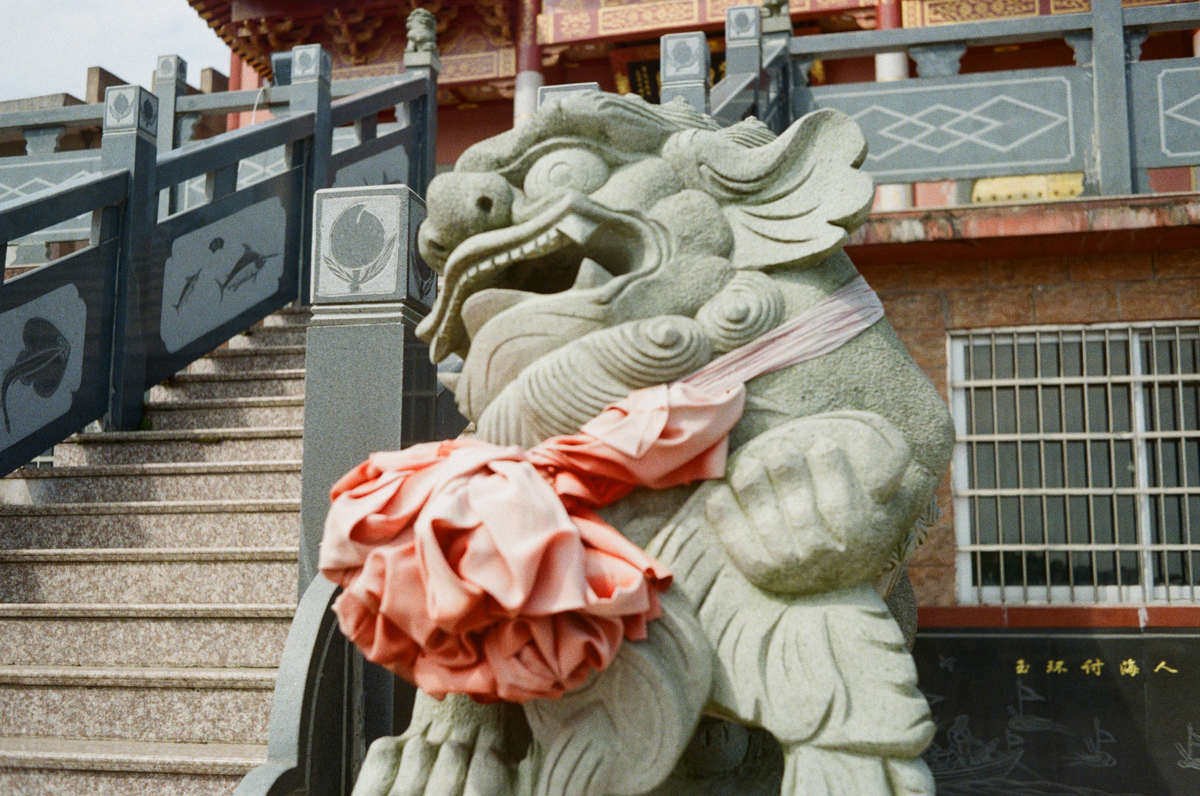
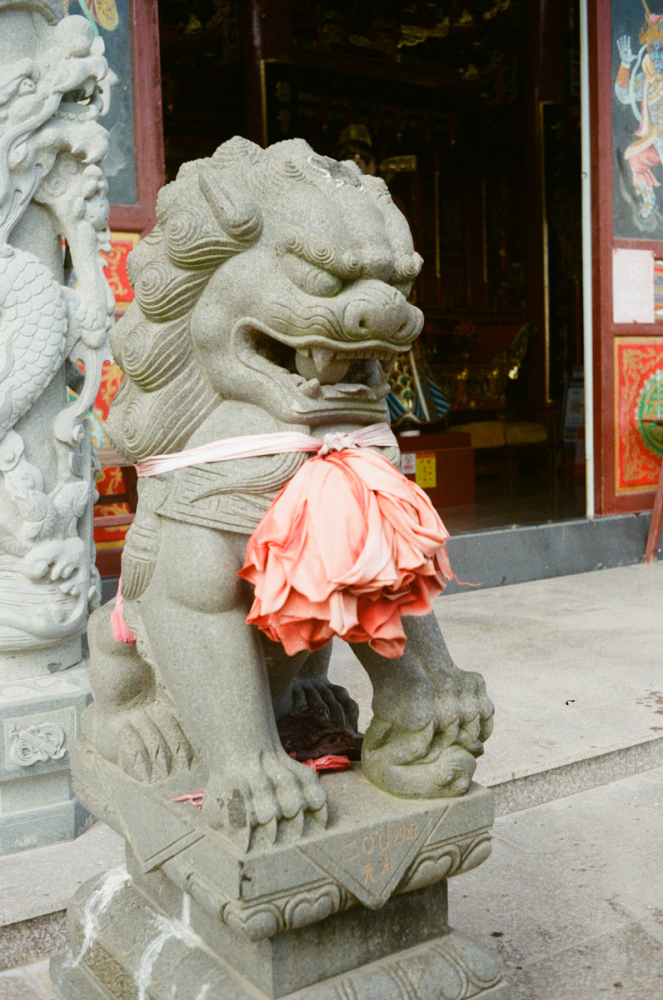
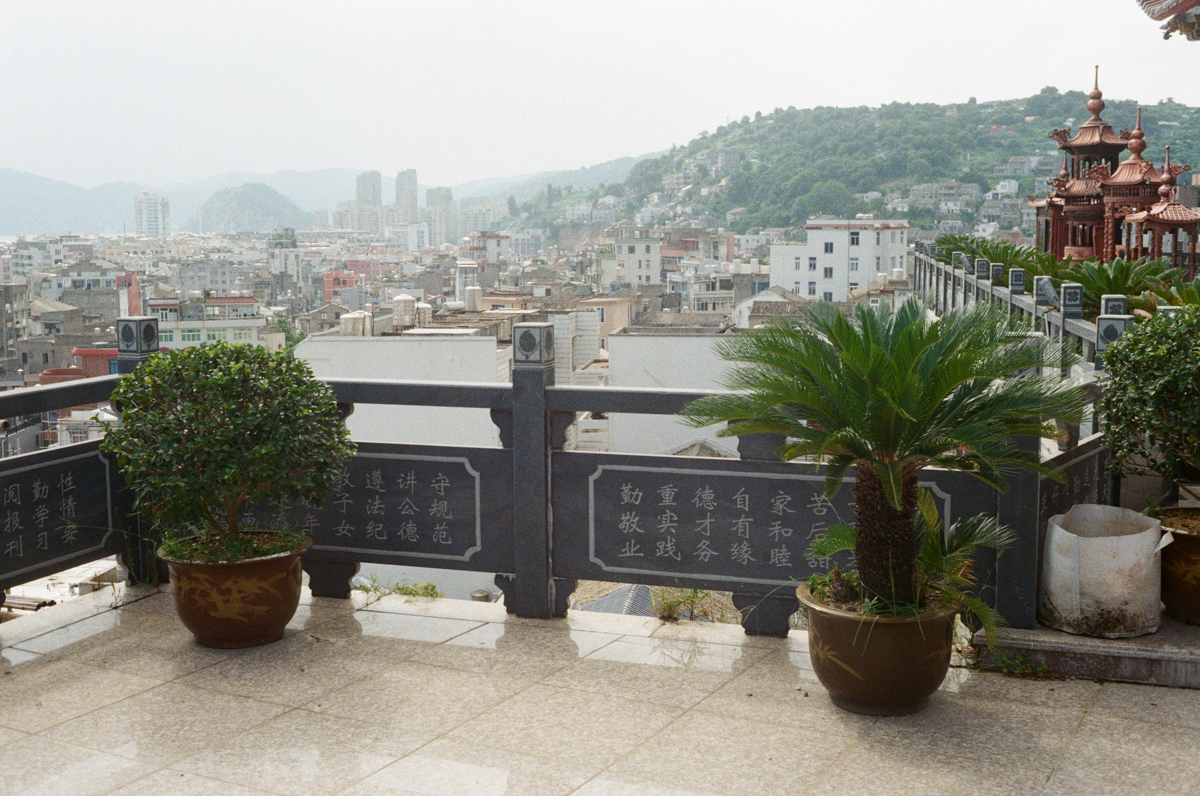
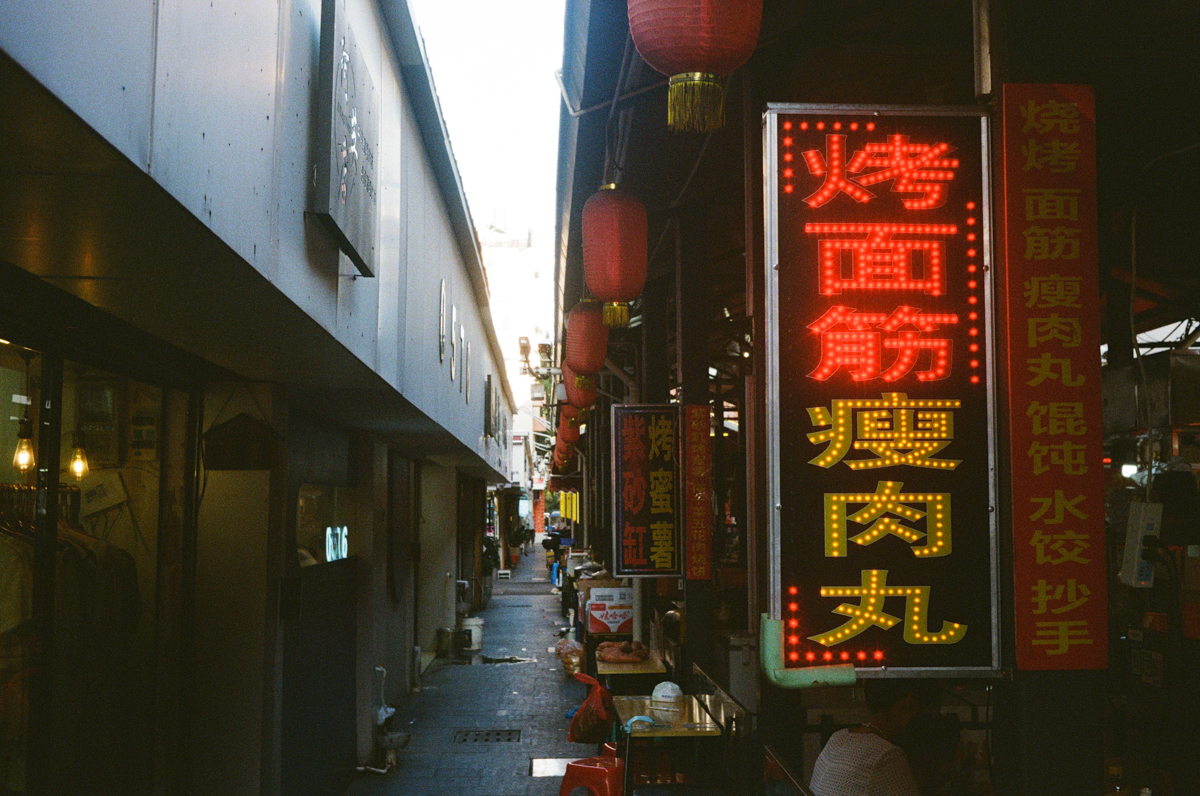
Carrying this on back down in Yuhuan town
That beach is on the outskirts of a small place in China called Yuhuan. I’ve written about it before on this site, having shot a few rolls of film there on previous visits years ago.
Posts such as these on impermanence, the park, some street photography, a general essay on the city, and these monochrome ones shot during the same visit as the colour ones on this post you’re reading now.
I’ve mentioned at least once before in all those that Yuhuan is likely not a place you’ll ever go to, no matter how much of China you travel around. There’s just no reason to, as a tourist.
For business, yes. If your partner is from there, yes. The latter is my reason for the multiple visits.
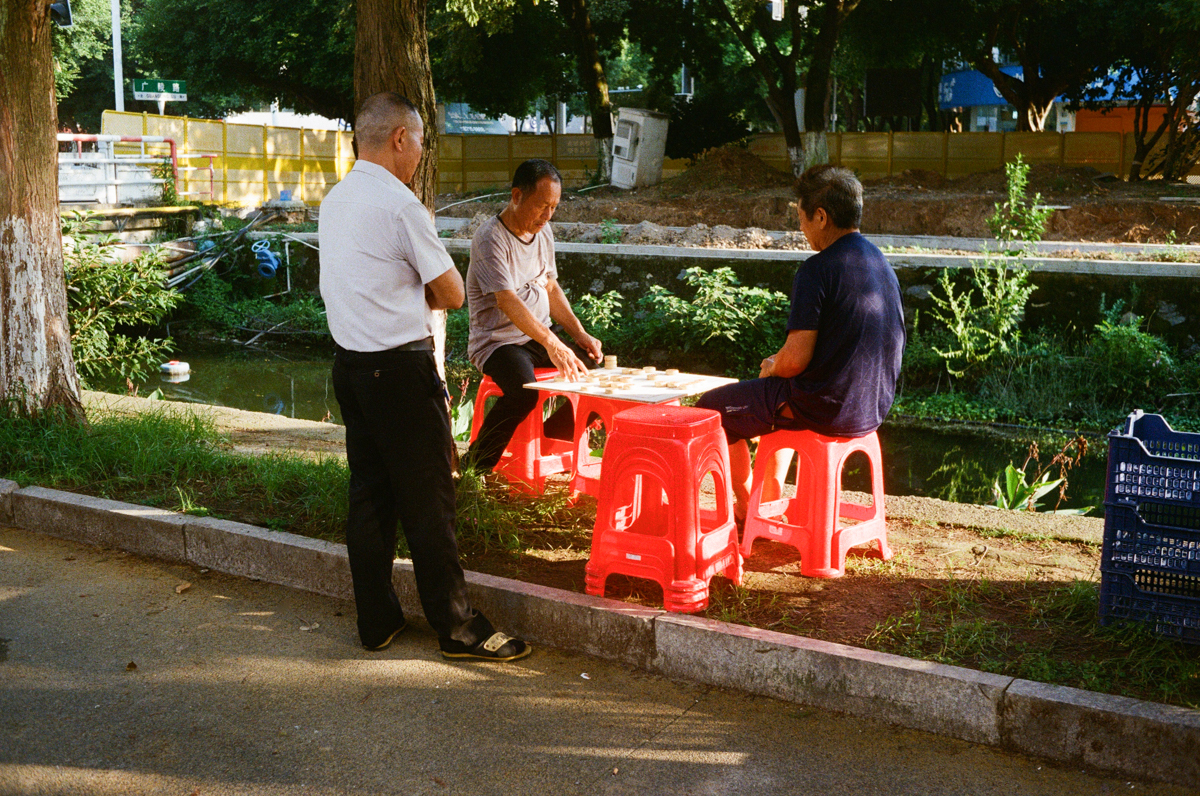
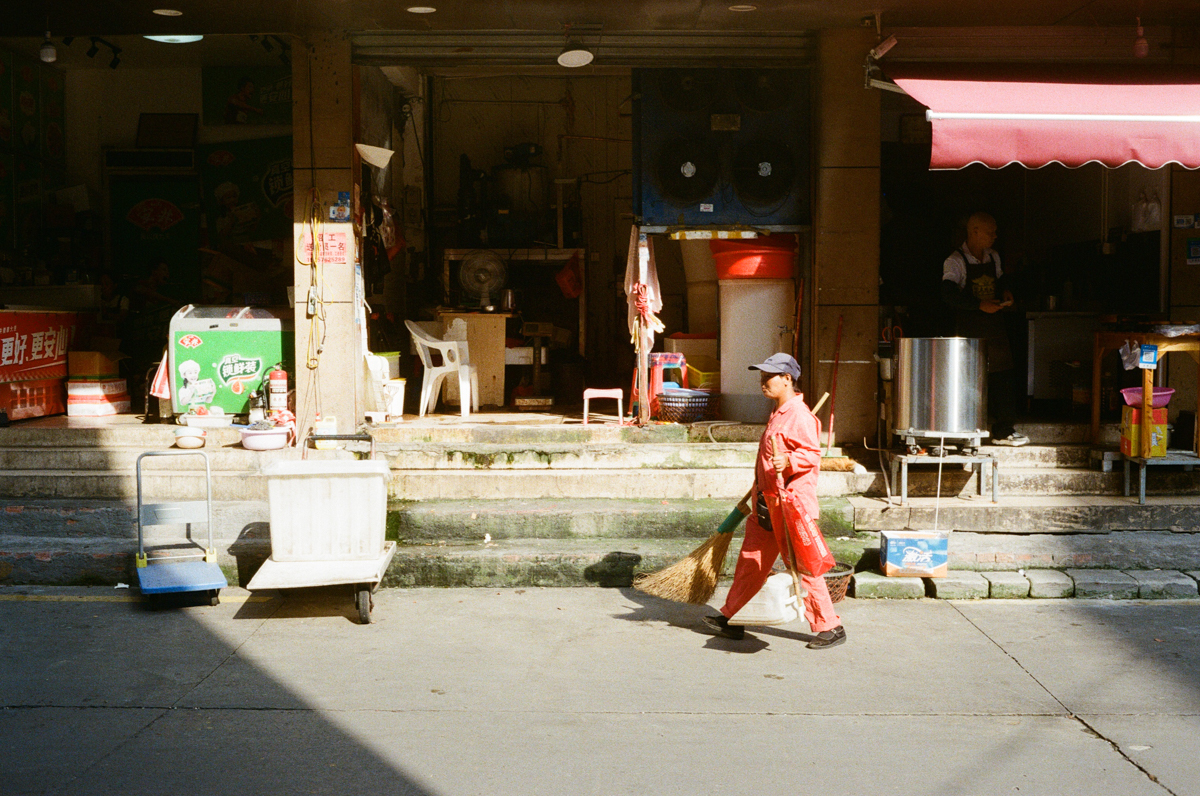
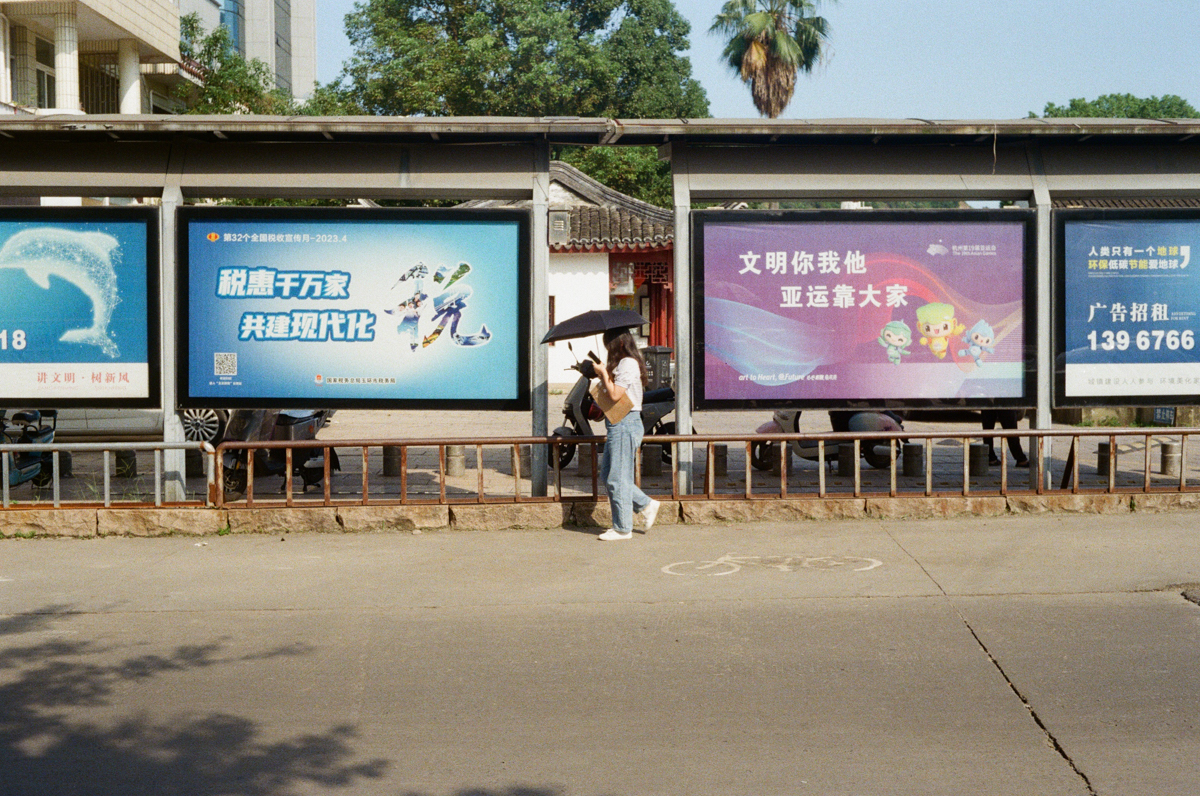
Here’s a few from the park again before we move on to the streets.
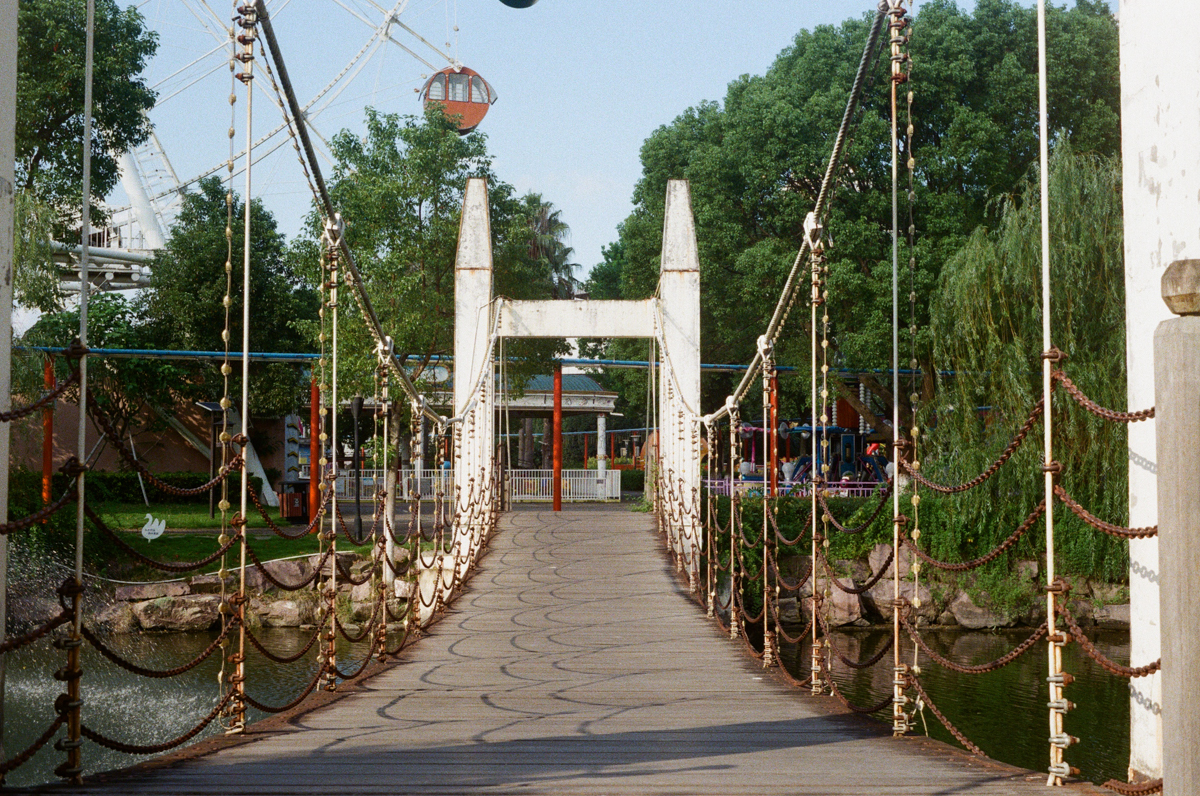
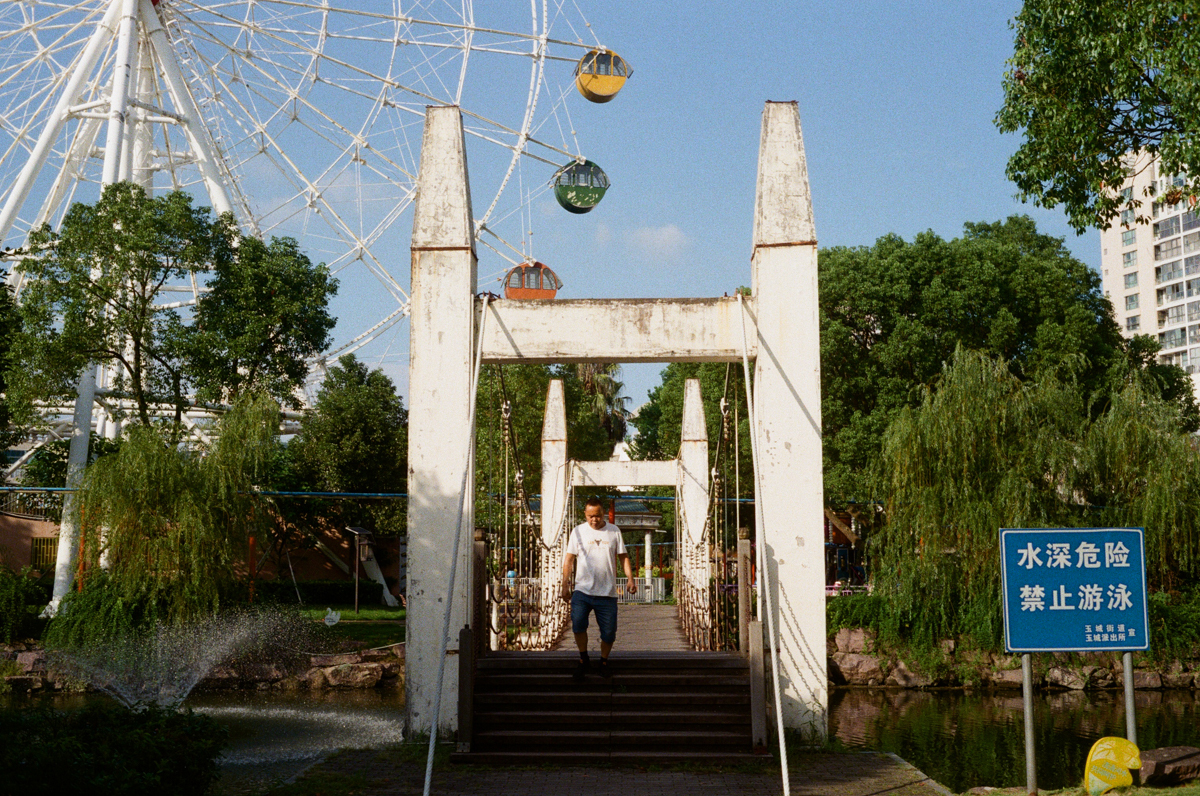
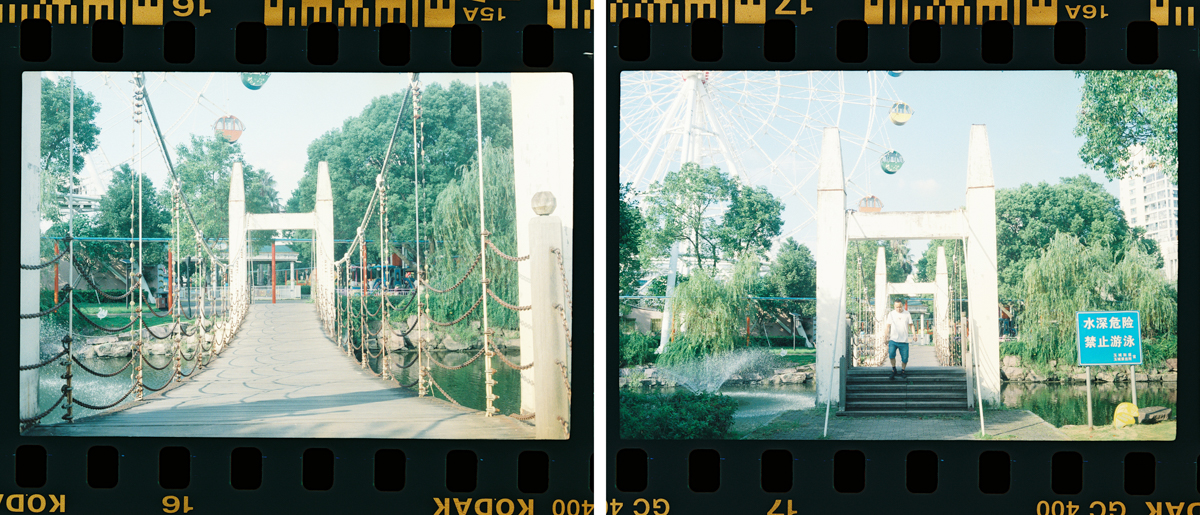
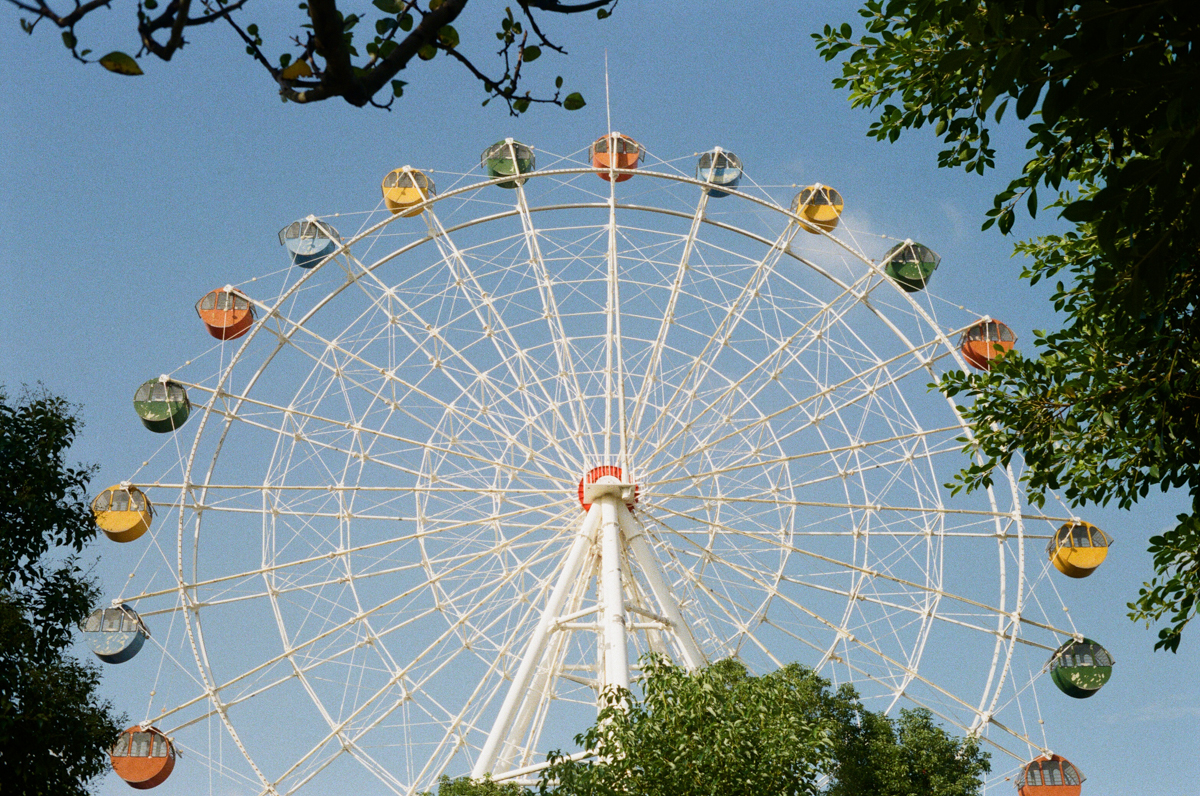
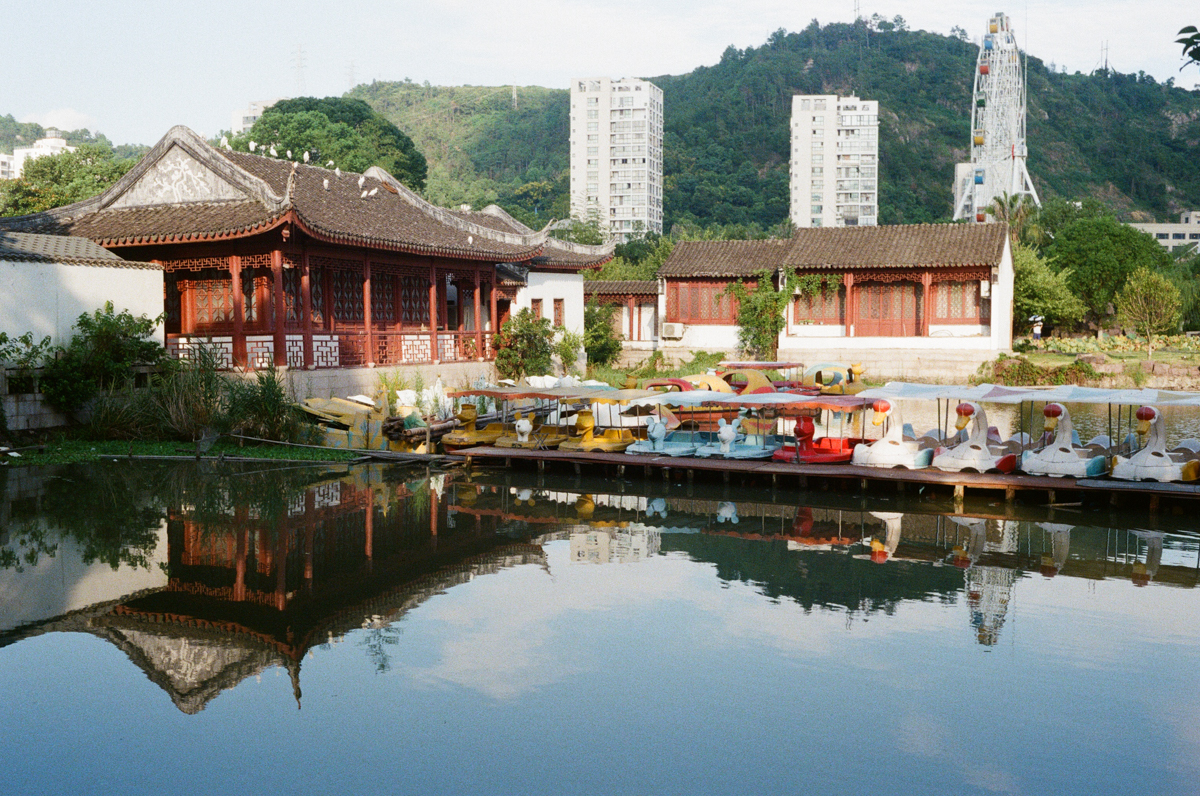
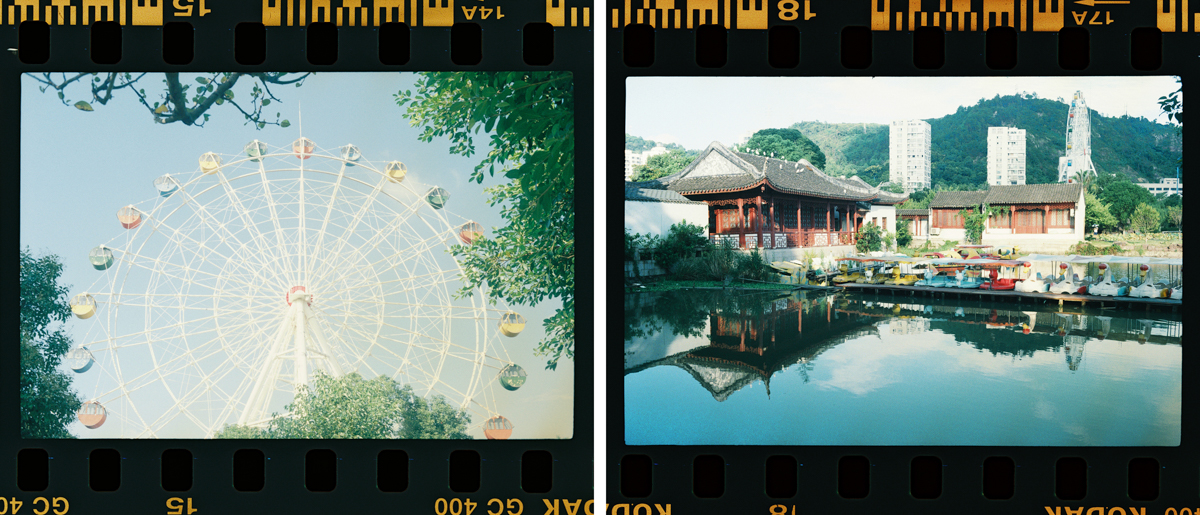
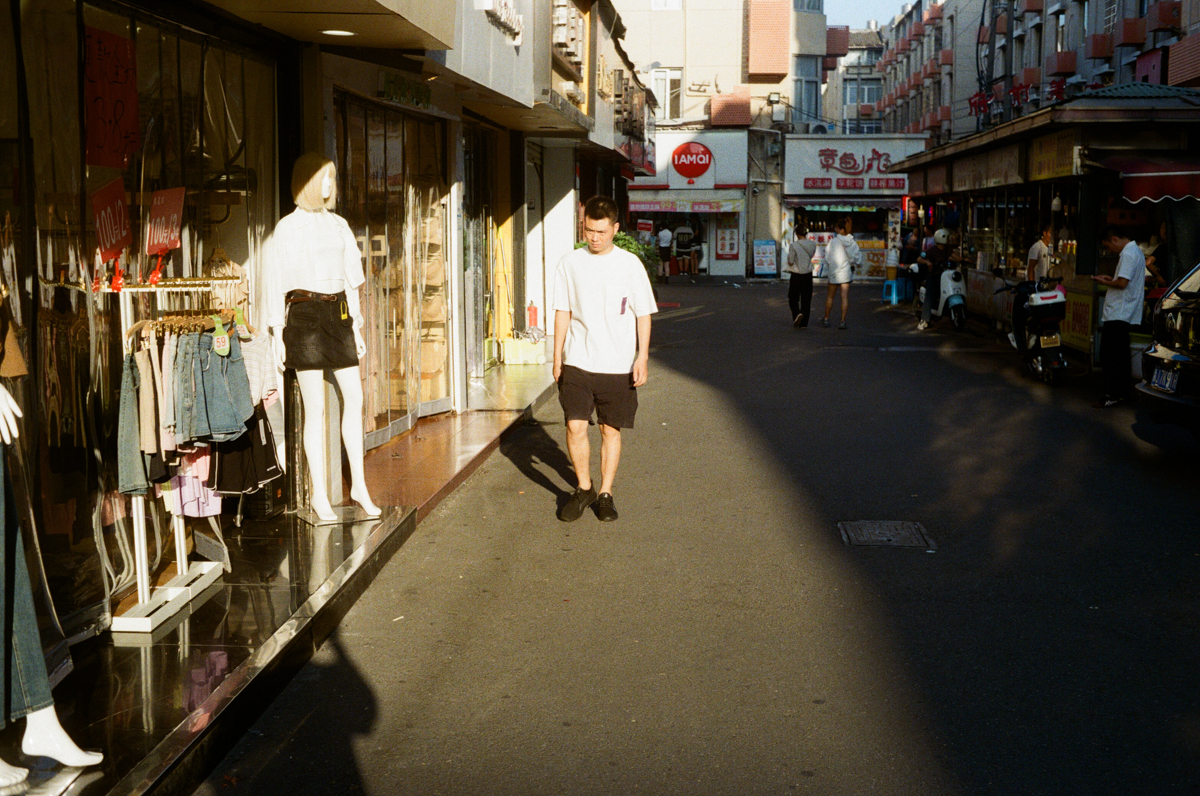
Looking at these shots now, they are quite similar in feel to a lot of those others I shot on other rolls of film around Yuhuan. I guess that’s my style now. Or was at the time, at least.
I think it’s for that reason that the few from the beach were my favourites from this Kodak Ultramax 400. They’re one time I did something a little different.
That’s not to say the rest aren’t worth seeing and you should stop scrolling here. Please, read on. You’ve come this far.
And also, without trying to sound too much like one of those bonkers LinkedIn posts, I’m now going to explain why this mess-up with the scanning was actually a good thing.
Why needing my negatives re-scanning was actually good
I’ll admit that when I first got those scans back with the film borders, it was a bit annoying. My fault, as I said earlier, but annoying nonetheless.
More time and money would have to be spent to get some proper scans – both to enjoy the images myself and so that I could use them on a blog post here.
I can take two positives from it though.
First, it’s just nice to have different kinds of posts on here sometimes. Not always just here are my good results from this roll.
Although I only have these film border scans because I messed up, I do like that I have them and can publish and talk about them alongside the regular versions. Just to mix things up a bit.
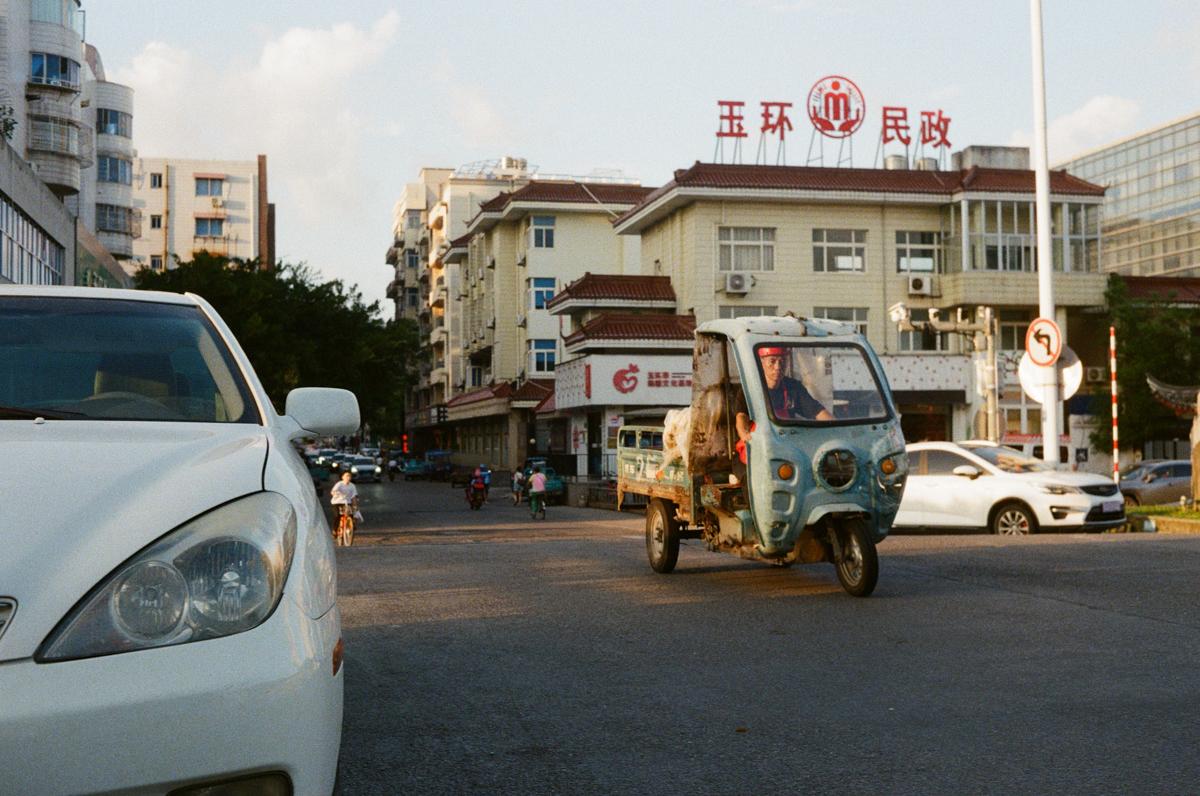
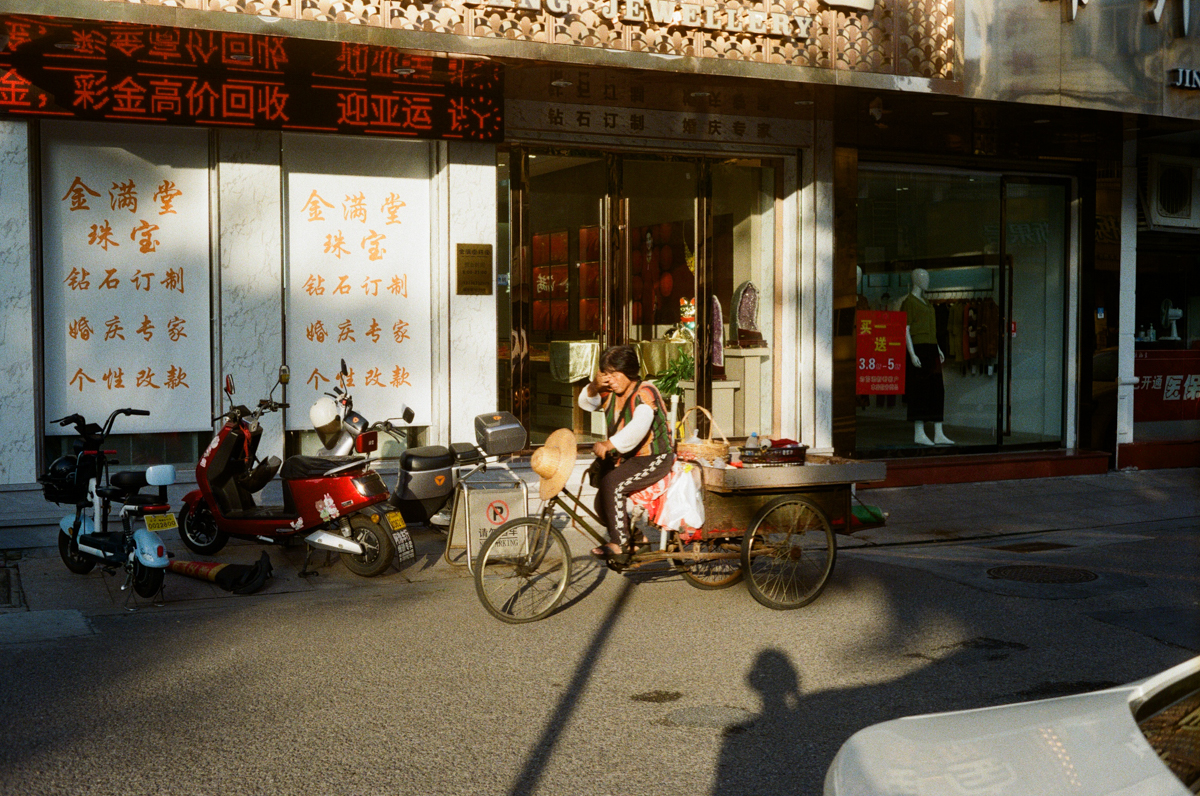
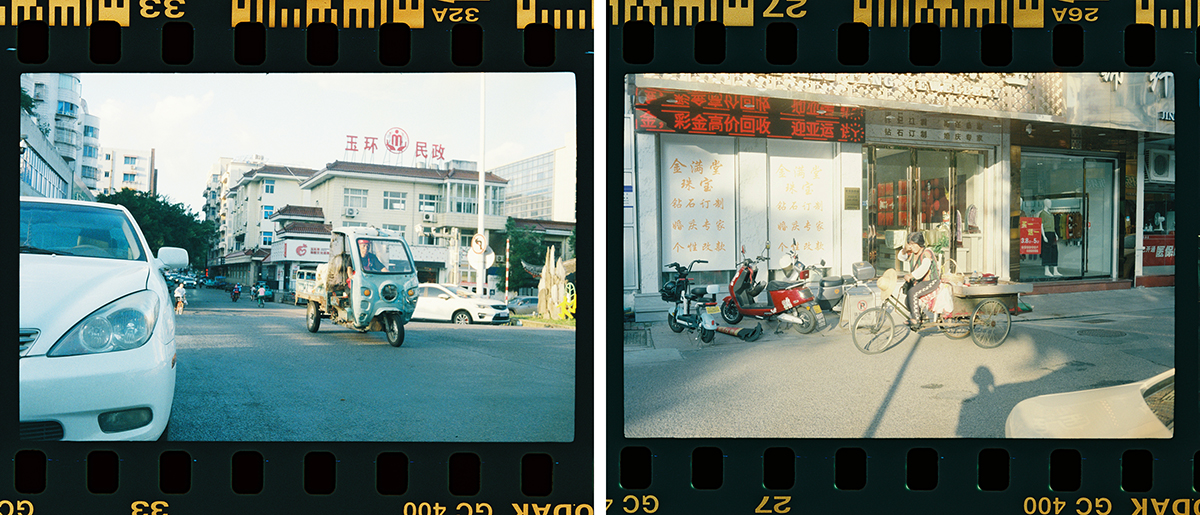
Second, pairing them up before posting has made me look at the whole set a little differently too.
Some half frame cameras I’ve been playing with, like the Kodak Ektar H35N, have encouraged me to shoot with making diptychs in mind. That is, deliberately shooting pairs of shots.
Here though, because I didn’t know I would end up with those film border scans when shooting, all I had in mind were individual images. So to retrospectively pair them together was a nice creative exercise also.
In deciding which ones would work best together, you notice things you might not have before. Like those last two images have a person on a three-wheeled vehicle and there’s a white car in the corner of the frame.
Tenuous perhaps, accidental for sure, but a definite visual link between them.
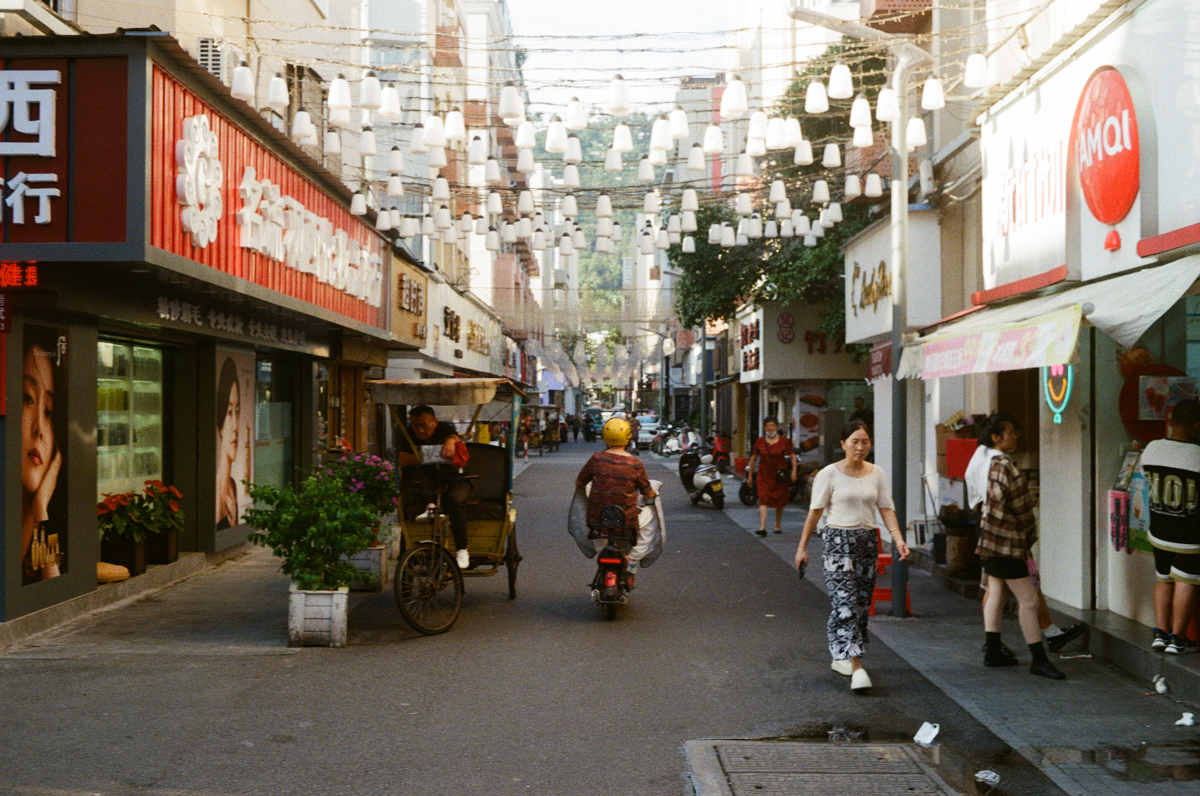
Wrapping up this tale of re-scanning negatives
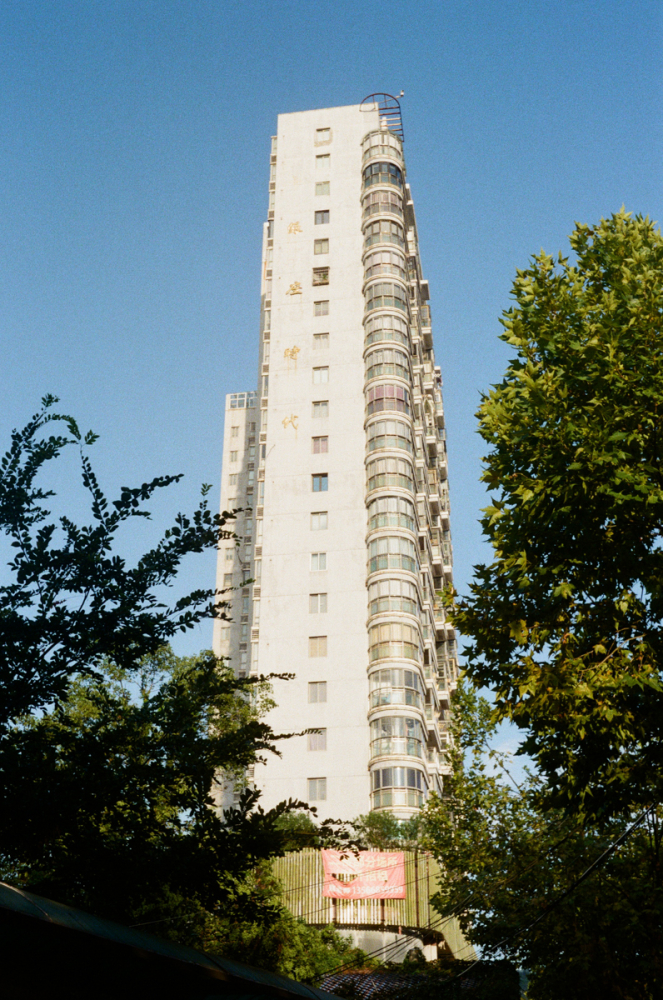
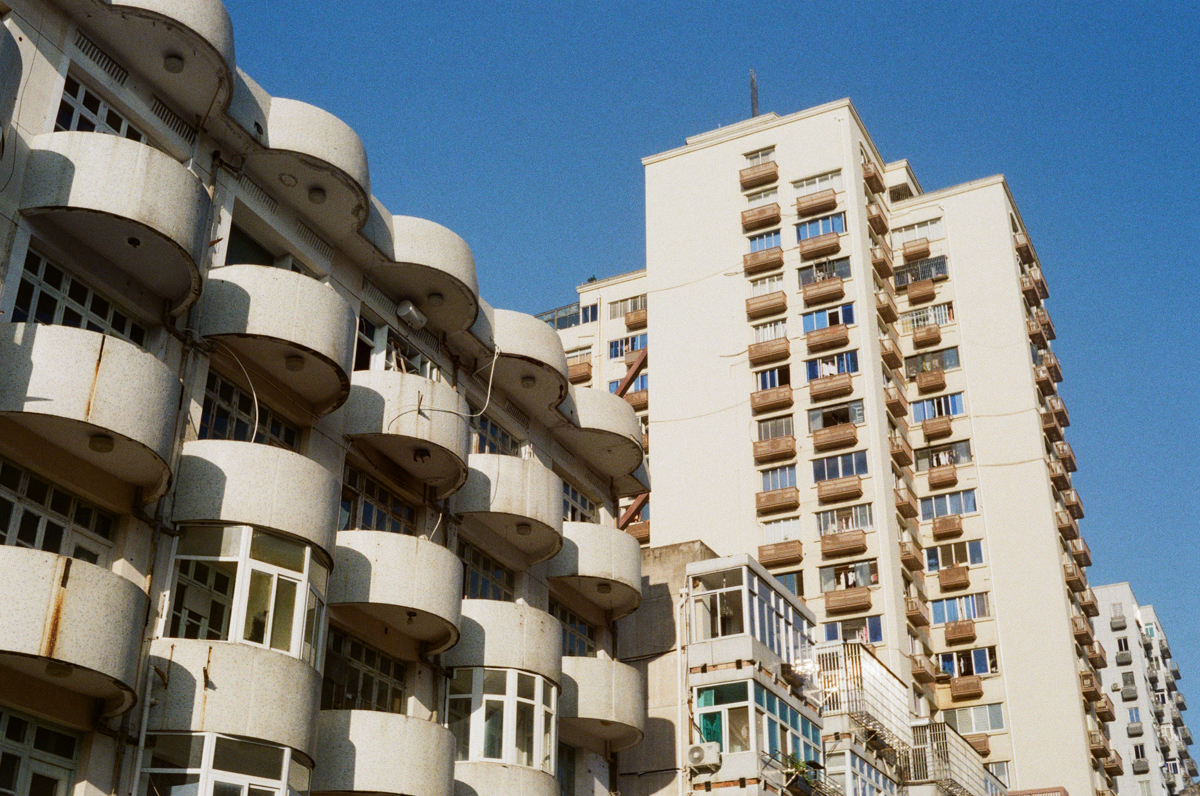
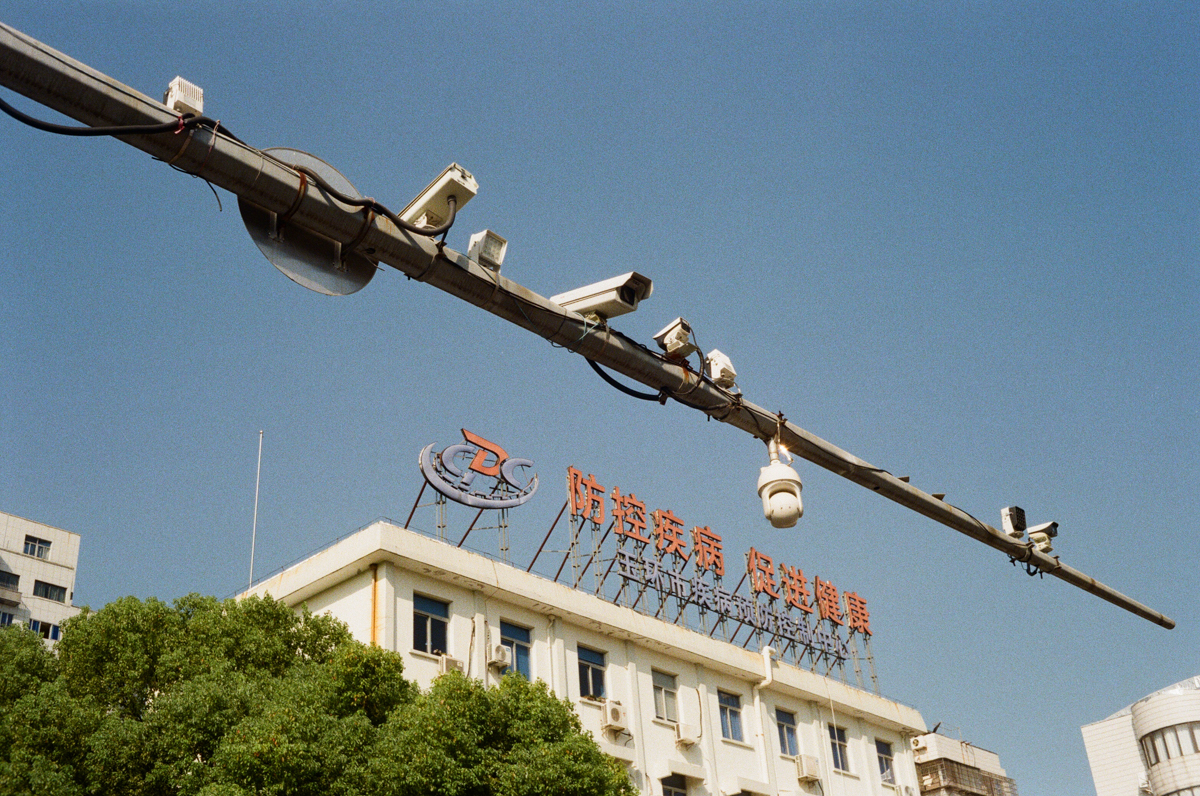
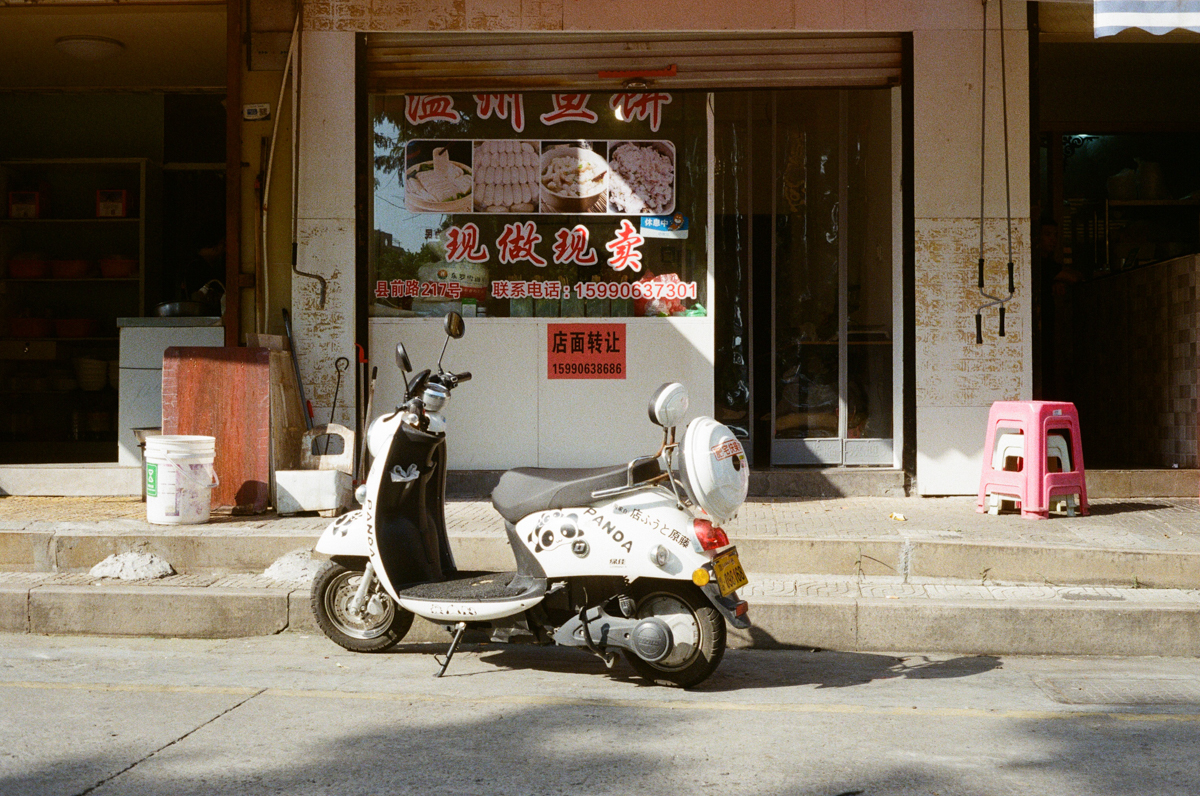
Despite preferring to include people in my photography for the vast majority of the time, some of my favourite pairs of images on this post have been those with nobody in them.
The white apartment buildings from earlier, and that last couple with the cameras and parked scooter.
Regardless, it’s time to wrap this up, and this is going to be short.
A recent post on here tells how when I was in Barcelona, I had the choice of going out to shoot in a torrential downpour or not shooting at all. I put my raincoat on and took the first option.
That was an example of making lemonade when life gives you lemons, and so is this.
I don’t recommend repeating my mistake here and having to pay to get your roll of film scanned twice.
But if something like that does happen, maybe just see if you can make something from it anyway. 🙂
p.s. I almost forgot. That roll of ColorPlus 200 I shot in the Sprocket Rocket I mentioned at the very top of this post? I found that and got it developed too. Why not see how it went here. 🙂
If you liked this account of needing some negatives re-scanning and want more adventures illustrated with film photography, why not have a look at some of these:



And if you think others will find this post worth a read, help them find it by giving it a share 😀
