Kodak Ektar H35N Half Frame Camera Review

It’s always good to try new things with your photography. To get those creative juices flowing by shooting a different style, a new format, or with some kind of gear … Read more

It’s always good to try new things with your photography. To get those creative juices flowing by shooting a different style, a new format, or with some kind of gear … Read more

This Yashica Electro 35 GSN review has been a very long time coming. Perhaps it’s a testament to my powers of procrastination, or perhaps I’ve just been too busy shooting … Read more

Sometimes in life you just get lucky. Like the time I got to borrow my friend Joshua’s SLR and put a few rolls of film through it and it happened … Read more
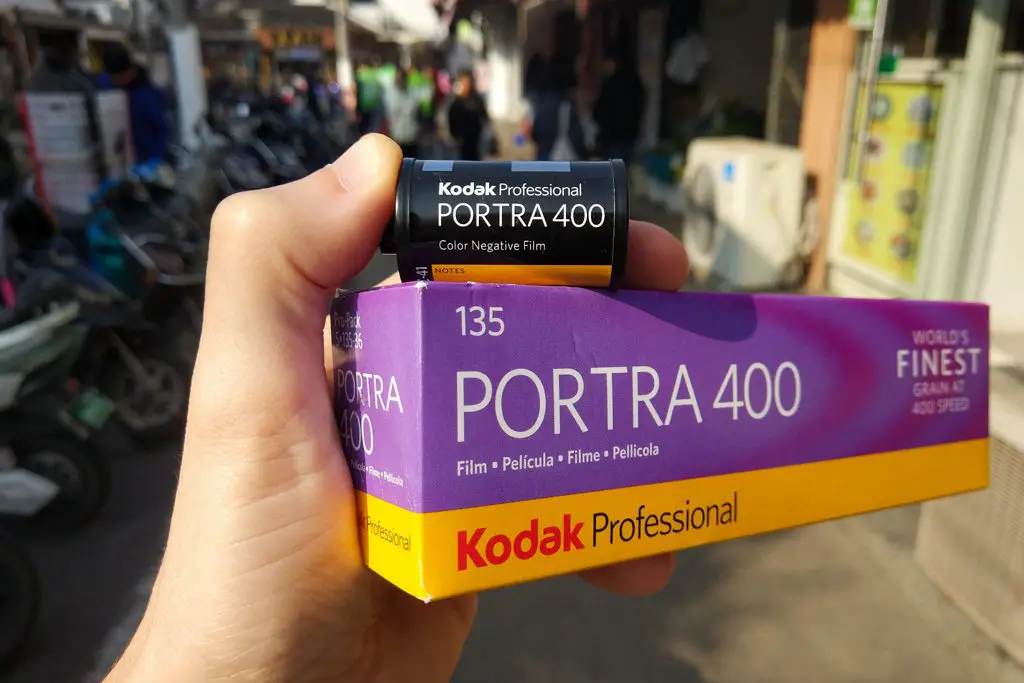
You don’t have to have a favourite film stock. And even if you do, it doesn’t have to be Kodak Portra 400. For a lot of people though, based on … Read more

Ilford is one of the very biggest names in the world of analogue photography, with some of its films being among the best-known and most-loved out there. The Ilford Pan … Read more

Ultramax 400 is one of three consumer grade colour negative films offered by Kodak, sitting alongside its siblings ColorPlus 200 and Gold 200. And to me, that higher ISO is … Read more

Zone focus and hyperfocal distance are two timeless techniques that can help you improve your street photography once you’ve learnt how to use them.
Don’t be put off by the fancy sounding names, either. All it takes is a comprehensive yet easy-to-follow tutorial, which is what we have here, and some practice, which is what you’ll need to do after reading it.
Also included is a section on pre-focus, which is another closely related way of going beyond auto-focus and taking your street photography to the next level. Come read. You know you want to.

I was asked a question on an Instagram post that went a little something like this – “… how do you manually focus for street; what method do you use to guarantee pin sharp focus?”
It was a good question and one I appreciated receiving. While I did answer at the time, I thought it also deserved a more detailed guide on here. Because maybe you want to know too.
Shooting street photography with vintage lenses really isn’t hard once you get going. Come read and learn how, and get yourself inspired to give it a go.

If you’ve ever considered using vintage lenses on your digital camera but haven’t yet taken the plunge, it’s possible the thing holding you back is uncertainty. That may be uncertainty in how it all works, and uncertainty in whether you’ll be able to make it work for you.
I’m here to dispel those misgivings. The technical aspects of using vintage lenses on digital cameras are not hard, and nor are the creative ones. That means fitting them to your camera isn’t hard, and neither is getting good results from them.
Come read and see how to use vintage lenses on your digital camera.

If you’re looking for a 35mm vintage lens, the Minolta MC W.Rokkor-HG 35mm f2.8 could be the one for you.
A legendary name producing one of the most common focal lengths. What’s not to like? Well, there is one thing in particular to be wary of.
Want to know what that is and if it should stop you buying one? Come read and learn.
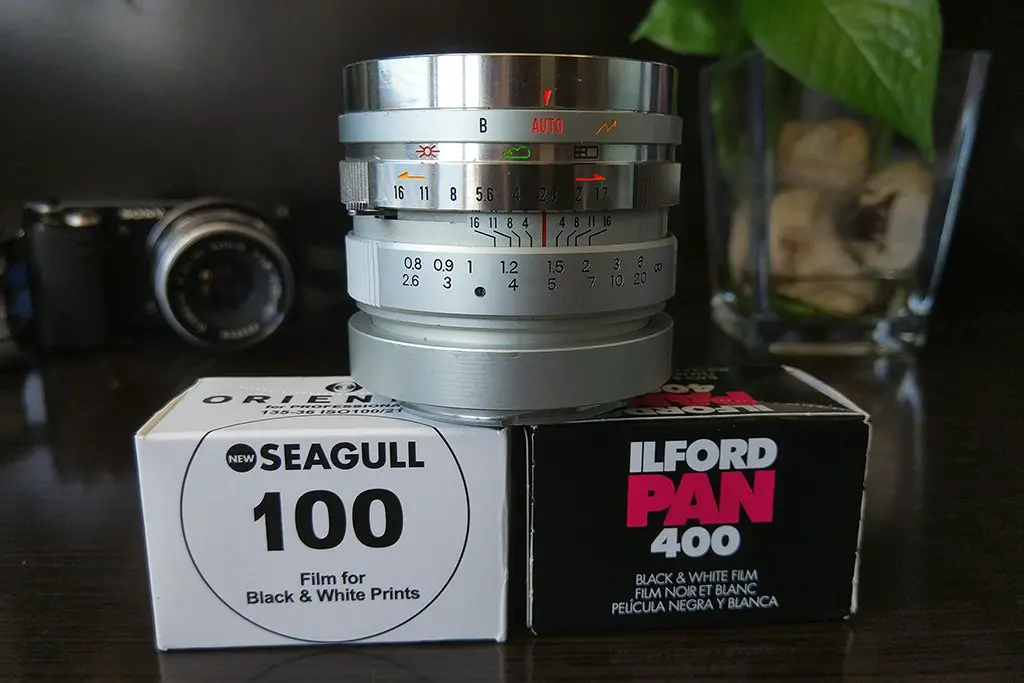
Understanding what ISO, aperture, and shutter speed are isn’t essential in making good photographs, but it can help you to make better ones.
However, for that to happen, simply understanding what they are isn’t enough. You’ll need to know how to use them too.
In this actionable post, you can learn both. Grab your camera and a cup of coffee and come follow along.

The Super-Takumar 55mm f1.8 is a classic and slightly radioactive manual focus lens. Mine was the second manual focus lens I ever bought, and I quickly fell in love with it.
This in-depth review talks about the history of the lens, it’s radioactivity, how it is to use, why I bought it, and some notes on the image quality. Spoiler: it’s good.
With a selection of example shots taken with the lens to let you see for yourself, come and find out why I love the Super-Takumar 55mm f1.8 so much.